



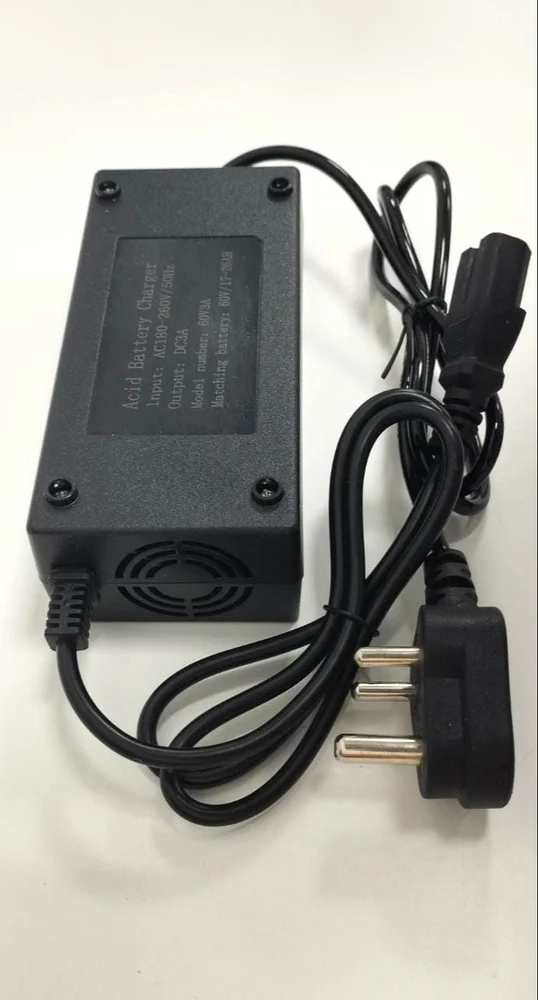
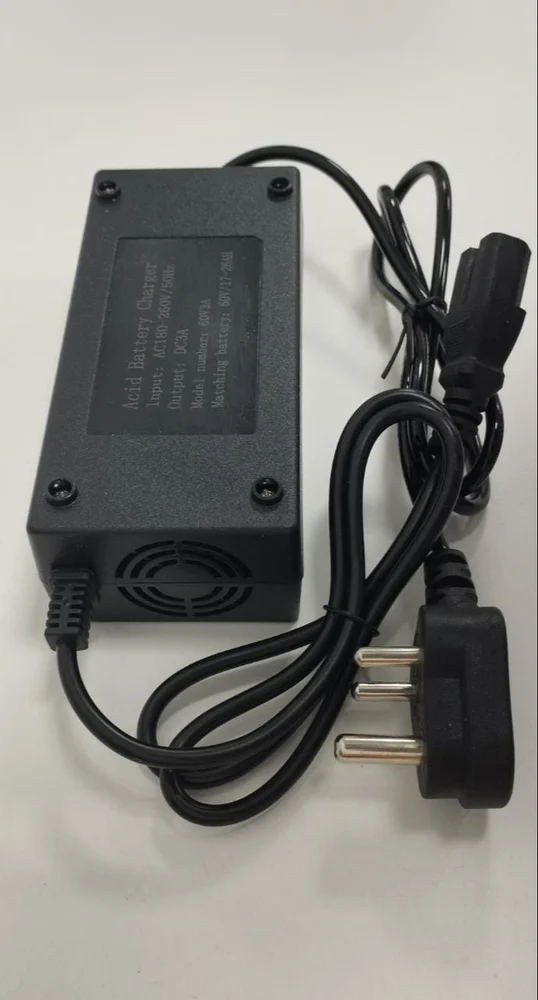
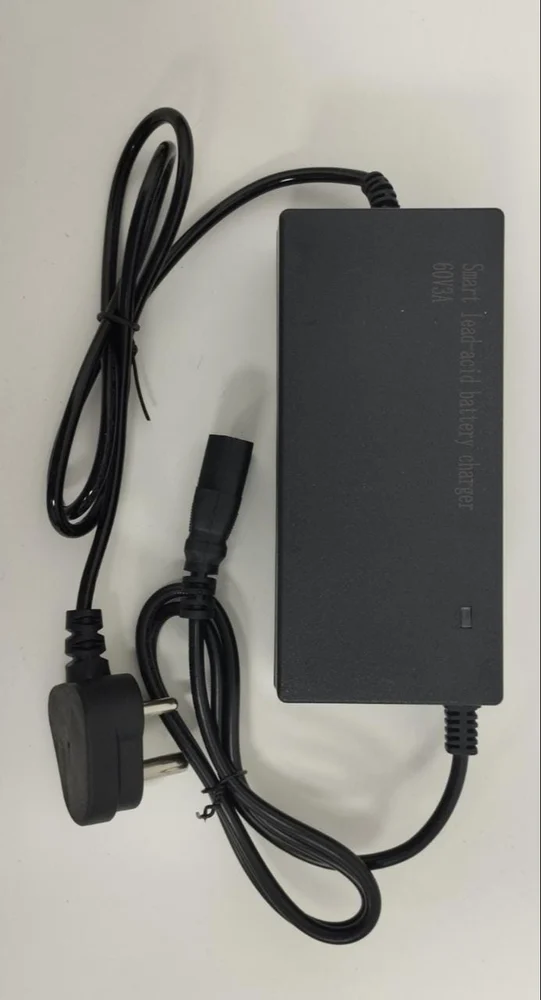
EV Bike Charger/ E-Scooter Charger 60V / 3Amp-Imported, Lead Acid
₹800.0
Product Specification
| Output Voltage | 60 V |
| Vehicle Type | Bike |
| Usage/Application | EV Bike & E-Scooter |
| Brand | Imported |
| Battery Type | Lead Acid |
| Warranty | no |
| Battery Voltage | 60V |
| Current | 3Amp |
| Pin Type | 3Pin |
| Color | Black |
| Material | ABS |
| Wheels Available | No |
| Cooling Fan | No |
| Minimum Order Quantity | 1 |
Product Description
We have NMC/ LFP/ Lead acid type Chargers available for more enquiry contact us.

- Description
- Additional information
- Reviews (0)
- Q & A
- Sustainability Remark
- More Offers
- Store Policies
- Inquiries
| brands | Imported |
|---|---|
| Color | Black |
You must be logged in to post a review.
Q & A
The sustainability of electric vehicle (EV) chargers depends on several factors, including their energy source, manufacturing processes, operational efficiency, and end-of-life management. Here are some key considerations regarding the sustainability of EV chargers:
Energy source: The sustainability of EV chargers largely depends on the source of electricity used for charging. If the electricity is generated from renewable sources like solar, wind, or hydroelectric power, the environmental impact of charging EVs is significantly reduced compared to fossil fuel-based electricity. However, if the electricity comes from coal or other non-renewable sources, the environmental benefits of EVs may be diminished.
Manufacturing processes: The sustainability of EV chargers is influenced by the manufacturing processes involved. Sustainable manufacturing practices, such as using recycled materials, reducing energy consumption during production, and minimizing waste and emissions, can help mitigate the environmental impact of charger manufacturing.
Operational efficiency: Efficient charging systems can contribute to sustainability. High-efficiency chargers minimize energy losses during the charging process, reducing overall energy consumption. Advanced technologies like smart charging, which optimize charging schedules based on grid demand and renewable energy availability, further enhance operational efficiency.
Grid integration: EV chargers that are integrated with the electric grid can support grid stability and renewable energy integration. By enabling bidirectional power flow (vehicle-to-grid or V2G), chargers can act as energy storage devices, helping to balance supply and demand and increasing the utilization of renewable energy.
End-of-life management: Proper disposal and recycling of EV chargers at the end of their life cycle are crucial for sustainability. Designing chargers with recyclable materials and establishing efficient recycling processes can minimize waste and environmental impact.
Overall, to ensure the sustainability of EV chargers, it is important to consider the energy source, manufacturing practices, operational efficiency, grid integration capabilities, and proper end-of-life management. Governments, manufacturers, and consumers all play a role in promoting sustainable practices throughout the lifecycle of EV chargers.
General Inquiries
There are no inquiries yet.
Reviews
There are no reviews yet.