



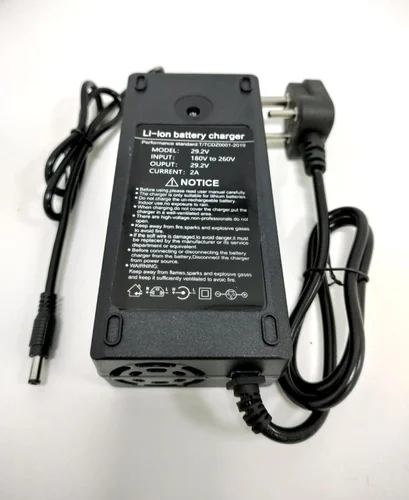
EV Bike Charger/ E-Scooter Charger 29V / 2AMP-Imported
₹850.0
Product Specification
| Vehicle Type | Bike |
| Usage/Application | EV BIKE & E-SCOOTER |
| Brand | IMPORTED |
| Battery Type | LFP/NMC |
| Battery Voltage | 29V |
| Current | 2AMP |
| Pin Type | SINGLE |
| Color | BLACK |
| Material | ABS |
| Wheels Available | No |
| Cooling Fan | No |
| Minimum Order Quantity | 1 |
Product Description
We have NMC/ LFP/ Lead acid type Chargers available for more enquiry contact us.

- Description
- Additional information
- Reviews (0)
- Q & A
- Sustainability Remark
- More Offers
- Store Policies
- Inquiries
| brands | Imported |
|---|---|
| Color | Black |
You must be logged in to post a review.
Q & A
The sustainability of electric vehicle (EV) chargers depends on various factors, including their energy source, manufacturing process, operational efficiency, and end-of-life considerations. Here are some aspects to consider regarding the sustainability of EV chargers:
Energy source: The sustainability of EV chargers heavily relies on the energy source used to generate the electricity. If the electricity is derived from renewable sources like solar, wind, or hydroelectric power, the chargers' environmental impact is reduced. However, if the electricity comes from fossil fuel-based power plants, the overall sustainability is diminished.
Manufacturing: The production of EV chargers involves the extraction of raw materials, manufacturing processes, and transportation. Sustainable manufacturing practices, such as using eco-friendly materials, reducing energy consumption during production, and minimizing waste generation, can enhance the sustainability of chargers.
Operational efficiency: The efficiency of EV chargers affects their sustainability. Higher charging efficiency means less energy loss during the charging process, resulting in reduced electricity demand and lower environmental impact. Additionally, smart charging systems that optimize charging times based on energy demand patterns can further improve operational efficiency.
Infrastructure impact: The deployment of EV chargers requires adequate infrastructure development, including electrical grid upgrades and installation of charging stations. The sustainability of the infrastructure depends on minimizing the carbon footprint associated with its construction and maintenance and ensuring efficient utilization of resources.
End-of-life considerations: EV chargers have a lifespan, and their end-of-life management should be considered for sustainability. Promoting recycling and responsible disposal of charger components can minimize waste and environmental pollution.
To enhance the sustainability of EV chargers, it is crucial to adopt renewable energy sources, implement eco-friendly manufacturing processes, improve charging efficiency, develop sustainable infrastructure, and establish recycling programs for charger components.
It's worth noting that sustainability is a broad concept that encompasses various environmental, social, and economic factors. To evaluate the overall sustainability of EV chargers, a lifecycle assessment considering the entire supply chain and usage phase is necessary.
General Inquiries
There are no inquiries yet.
Reviews
There are no reviews yet.