
Shopping Cart
Shipping Address :
Guest
No shipping address found. Please add an address.
—
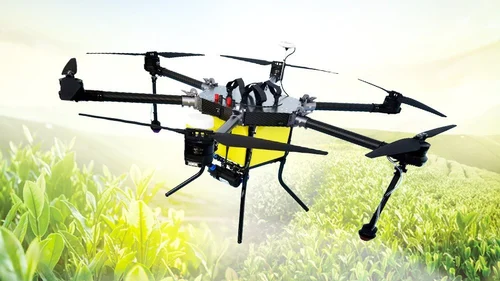
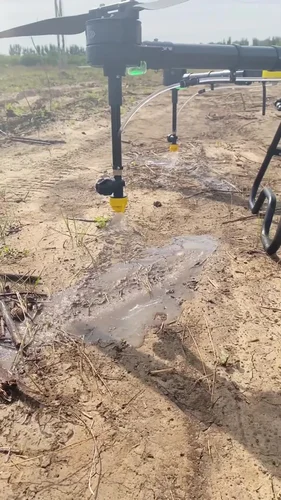
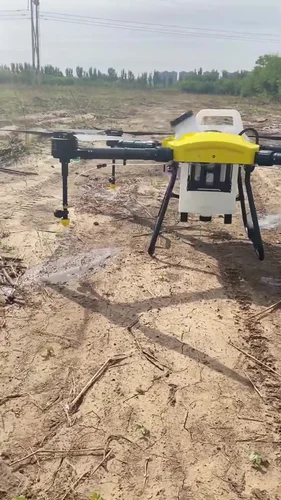
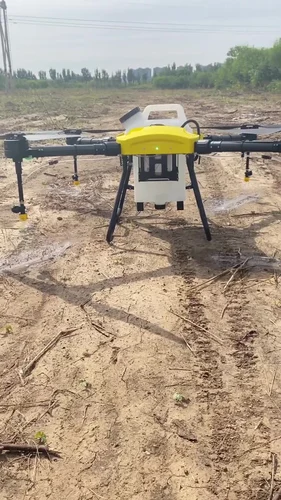
10 Ltrs. Octocopter Agricultural Drone
Price: ₹2.00 per pieces
Estimated Total Amount: ₹2.00


| Capacity | 10 Litre |
| Brand | DJI |
| Material | Carbon Fiber |
| Camera Technology | Digital Camera |
| Color | White, Grey |
| Spray Speed | 5 m/s |
| Wheelbase | 1250 mm |
| Max Height | 500 mm |
| Air Vehicle Type | Octocopter |
| Air Flight Time | 35 Min (Without Load) |
| Endurance | 20 Mins |
| Sprayer Nozzle Type | T- Type |
| Operational Radius | 200 Meters (VLOS) |
| Drone Type | Agricultural Pesticide Spraying Drone |
| Battery Working Time | 15 Mins |
| Battery Charging Time | 1 Hour |
| Power Source | Battery |
No reviews yet. Be the first to review this product.
Login to ask a question.
Sensors play a vital role in sustainable agricultural farming by enabling precise monitoring and management of various factors such as soil conditions, water usage, crop health, and environmental parameters. Here are some ways in which sensors contribute to sustainability in agriculture:
Efficient resource management: Sensors provide real-time data on soil moisture, nutrient levels, and weather conditions, allowing farmers to optimize irrigation, fertilization, and pesticide application. By using sensors, farmers can minimize resource waste, reduce environmental impact, and improve overall efficiency.
Precision agriculture: Sensors help implement precision farming techniques, where inputs such as water, fertilizers, and pesticides are applied only where and when needed. This targeted approach reduces unnecessary resource usage and minimizes the potential for pollution, making agricultural practices more sustainable.
Disease and pest management: Sensors can detect early signs of crop diseases, pest infestations, or nutrient deficiencies. This allows farmers to take timely action, reducing the need for broad-spectrum chemical treatments and enabling more targeted interventions. By minimizing chemical usage, sensors contribute to environmentally friendly pest and disease management.
Conservation of water resources: Water scarcity is a significant concern in agriculture. Sensors can measure soil moisture levels and provide accurate data for irrigation scheduling. This helps farmers apply water efficiently, reducing water waste and conserving this precious resource.
Environmental monitoring: Sensors can monitor environmental factors such as temperature, humidity, and air quality. This information is crucial for understanding the impact of farming activities on the surrounding ecosystem. By collecting data on environmental parameters, farmers can make informed decisions and implement sustainable practices.
Data-driven decision-making: Sensors generate a wealth of data that can be analyzed to optimize farming practices. By leveraging data analytics and machine learning, farmers can gain insights into crop performance, identify trends, and make informed decisions to improve productivity and sustainability.
While sensors contribute to agricultural sustainability, it's important to consider the overall context of their usage. Factors like the production, maintenance, and disposal of sensors, as well as the energy requirements for their operation, should be taken into account to ensure a holistic assessment of their environmental impact. Nonetheless, when used appropriately, sensors can significantly enhance sustainability in agricultural farming practices.
No offers available for this product at the moment.
Contact the vendor for bulk order pricing: RedgritDronesAndTechnologiesPrivateLimited
Please contact the vendor directly for their specific return and shipping policies.
For any inquiries, contact us at info@cleantech-mart.com