
Shopping Cart
Shipping Address :
Guest
No shipping address found. Please add an address.
β
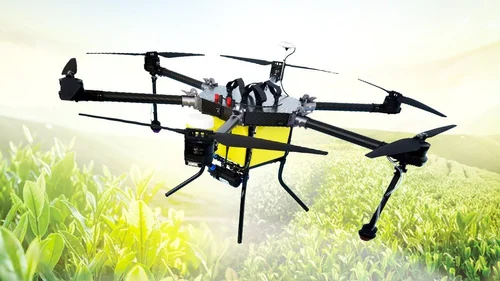
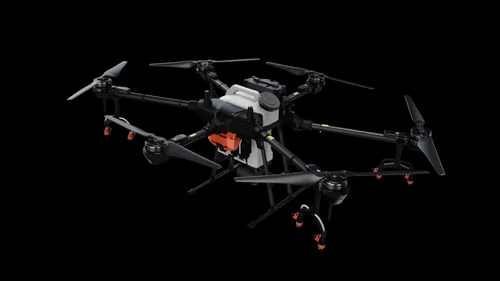
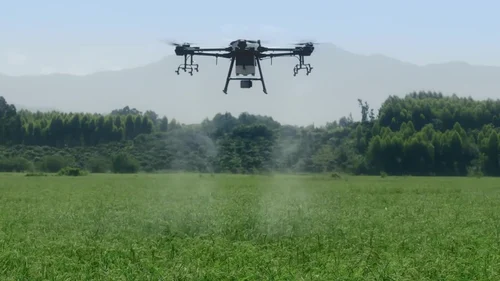
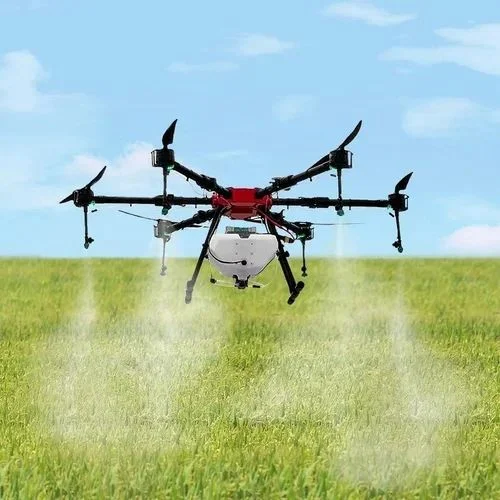
16 Ltrs. Agricultral Drone
Price: βΉ3.00 per pieces
Estimated Total Amount: βΉ3.00


| Capacity | 16 Litre |
| Brand | DJI |
| Material | Carbon Fiber |
| Model Name/Number | XR11001VS (Standard), XR110015VS (Optional, purchase separately) |
| Dimension | 2509x2213x732 mm (Arms and propellers unfolded) 1795x1510x732 mm (Arms unfolded and propellers folde |
| Power | 2400 W/rotor |
| Endurance (with load) | 35 mins (Without Load) |
| Spray Nozzle | T Type |
| Operational Mode | Manual/ Autonomous |
16 Litres Agricutural Drone which is foldable and convienient to use.Β
No reviews yet. Be the first to review this product.
Login to ask a question.
Sensors can play a significant role in making agricultural farming more sustainable by enabling precise and efficient resource management. Here are some ways in which sensors contribute to sustainability in agriculture:
Water Management: Sensors can monitor soil moisture levels, allowing farmers to optimize irrigation practices and reduce water wastage. By providing real-time data on soil conditions, farmers can irrigate crops more efficiently, avoiding overwatering or underwatering, thus conserving water resources.
Nutrient Management: Sensors can measure nutrient levels in the soil, enabling farmers to apply fertilizers precisely and in the right quantities. This helps reduce the excessive use of fertilizers, which can cause environmental pollution and soil degradation.
Pest and Disease Management: Sensors can detect early signs of pest infestation or disease outbreak in crops. By providing timely alerts, farmers can take targeted actions such as applying appropriate pesticides or implementing biological control methods, minimizing the use of chemicals and reducing crop losses.
Crop Monitoring: Sensors can monitor various parameters such as temperature, humidity, light, and carbon dioxide levels, which are crucial for crop growth. By tracking these factors, farmers can optimize growing conditions, leading to higher crop yields and reduced resource waste.
Precision Farming: Sensors, combined with GPS technology, enable precision farming practices. This involves mapping and analyzing field variability, allowing farmers to tailor their actions and inputs (water, fertilizers, etc.) to specific areas within their fields. Precision farming optimizes resource allocation, minimizes waste, and enhances overall sustainability.
Energy Efficiency: Sensors can help optimize energy usage on farms by monitoring energy-intensive processes such as irrigation, ventilation, and equipment operations. By identifying energy inefficiencies, farmers can make informed decisions to reduce energy consumption, leading to cost savings and environmental benefits.
Data-Driven Decision Making: Sensors generate vast amounts of data, which can be analyzed to gain insights and make informed decisions. This data-driven approach helps farmers optimize resource allocation, increase productivity, and minimize environmental impacts.
While sensors offer significant sustainability benefits, it's worth noting that their adoption and effectiveness depend on several factors, including the quality of the sensor technology, integration with other farm management systems, data analysis capabilities, and farmer education and awareness. Additionally, the responsible management of sensor waste and the use of environmentally friendly materials in their production are essential to ensure overall sustainability.
No offers available for this product at the moment.
Contact the vendor for bulk order pricing: RedgritDronesAndTechnologiesPrivateLimited
Please contact the vendor directly for their specific return and shipping policies.
For any inquiries, contact us at info@cleantech-mart.com