
★★★★★ (846)
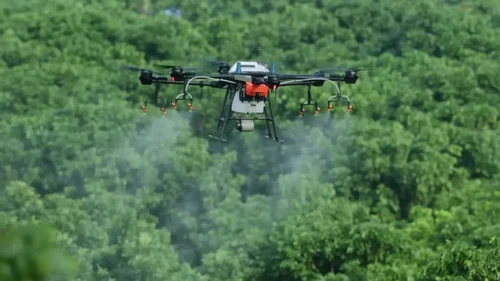
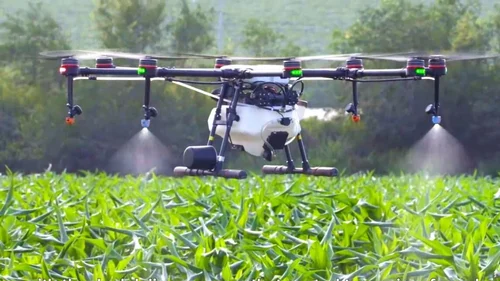
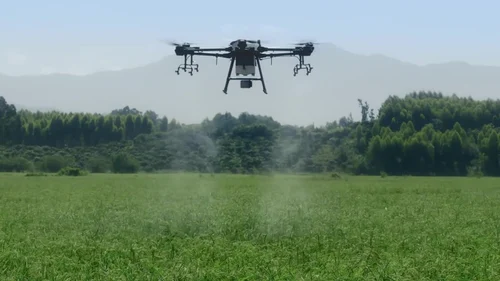
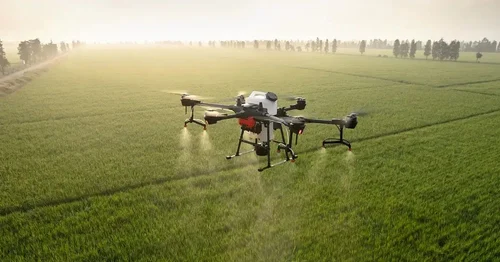
Agricultural Pesticide Spraying Drone
Thumb 1
Thumb 2
Thumb 3
Thumb 4

Agricultural Pesticide Spraying Drone

Spray Speed5 m/s
Operating ModesManual
Sprayer Nozzle TypeT- Type
Operational Radius200 Meters (VLOS)
Endurance20-25 Min (Without Load)
Drone TypeAgricultural Pesticide Spraying Drone
Battery Working Time15 Mins
Battery Charging Time1 Hour
Power SourceBattery
Wheel Base500mm

Sku: IDFFPFS08

Category: Farming and Forestation, Precision Agriculture, Sensors

Availability: Out of Stock

₹ 3.50
Price: ₹3.50 per pieces
Estimated Total Amount: ₹3.50
SKU IDFFPFS08
Minimum Order 1 pieces
  • Automatic line-feeding spray (recyclable spraying);
  • Automatic flight spraying at point AB (plant protection aircraft can fly autonomously and record automatically after spraying);
  • Fully autonomous spraying of plots (the area and terrain of the selected plots of the ground station are determined, and the aircraft can be autonomously sprayed);
  • One-click record of medicine break point (automatically record the main point after pesticide spraying in the spraying process and return to take-off point to change medicine);
  • One-click return to the medicine break point (after spraying pesticides, the main points are automatically recorded after spraying, and then return to the take-off point to change the coloring medicine. After changing the medicine, the machine will automatically return to the medicine break-off point. spray)

No reviews yet. Be the first to review this product.

Write a Review

Loading questions…

Ask a Question

Sensors play a crucial role in modern agricultural farming practices by providing valuable data and insights for optimizing resource management, improving crop yields, and reducing environmental impact. Their sustainability, however, depends on several factors.

  1. Energy Efficiency: Sustainable sensors should be designed to consume minimal energy to operate and transmit data. Low-power sensors, such as those utilizing low-energy Bluetooth or energy harvesting technologies, can help minimize their environmental footprint and reliance on batteries.

  2. Longevity and Durability: Sensors should be built to withstand the harsh conditions of agricultural environments and have a long lifespan. Durable sensors reduce waste by minimizing the need for frequent replacements.

  3. Material Selection: Sustainable sensors prioritize the use of environmentally friendly materials, considering factors such as recyclability, biodegradability, and the absence of hazardous substances. Using materials with a low environmental impact during production and disposal is essential.

  4. Data Management: Efficient data management is crucial to ensure the sustainability of agricultural sensors. Optimizing data transmission and storage processes, using compression techniques, and implementing cloud-based solutions can reduce energy consumption and infrastructure requirements.

  5. Scalability and Interoperability: A sustainable sensor network should be scalable, allowing farmers to expand their monitoring capabilities without significant additional resource requirements. Interoperability between different sensor systems and data platforms also facilitates the integration of diverse technologies and reduces redundancy.

  6. Environmental Impact: Sustainable sensors should not contribute to environmental degradation. It is important to consider the overall life cycle of the sensors, including the extraction and processing of raw materials, manufacturing processes, and end-of-life disposal or recycling methods.

  7. Data Privacy and Security: Protecting farmers' data privacy and ensuring secure data transmission and storage are crucial for sustainable sensor adoption. Compliance with privacy regulations and robust security measures are essential to build trust among users.

  8. Cost-effectiveness: The cost of sensors and their associated technologies is a significant factor in their sustainability. Affordable solutions enable wider adoption among farmers, ensuring accessibility and minimizing economic barriers.

While sensors have the potential to greatly improve sustainability in agricultural farming, it's important to continually assess and improve their design, manufacturing processes, and operational practices to maximize their positive impact while minimizing any negative environmental consequences.

Offers

No offers available for this product at the moment.

Contact the vendor for bulk order pricing: RedgritDronesAndTechnologiesPrivateLimited

Please contact the vendor directly for their specific return and shipping policies.

For any inquiries, contact us at info@cleantech-mart.com

Request a Quote

Request date: May 15, 2026

Status: New Quote Request – You will get a quote soon!

Product Image

Agricultural Pesticide Spraying Drone

🏪 RedgritDronesAndTechnologiesPrivateLimited ☘️
★★★★★ (0 Reviews)
Price: ₹3.50 per pieces
Estimated Total Amount: ₹3.50

Send a request

Product Enquiry

Agricultural Pesticide Spraying Drone

Agricultural Pesticide Spraying Drone

 🏪 RedgritDronesAndTechnologiesPrivateLimited  ☘

Chat with us!

Agricultural Pesticide Spraying Drone

Agricultural Pesticide Spraying Drone

 🏪 RedgritDronesAndTechnologiesPrivateLimited  ☘
RedgritDronesAndTechnologiesPrivateLimited 02:10 PM
Hello Guest!

Shopping Cart

Shipping Address :

Guest

No shipping address found. Please add an address.

Agricultural Pesticide Spraying Drone

Agricultural Pesticide Spraying Drone

🏪 RedgritDronesAndTechnologiesPrivateLimited
★★★★★ (Reviews)

Price: ₹3.50 per pieces

Estimated Total Amount: ₹3.50

1