Sustainability Score
7/10
Carbon Footprint
Low
Low-Carbon Lifestyle Fit
Excellent
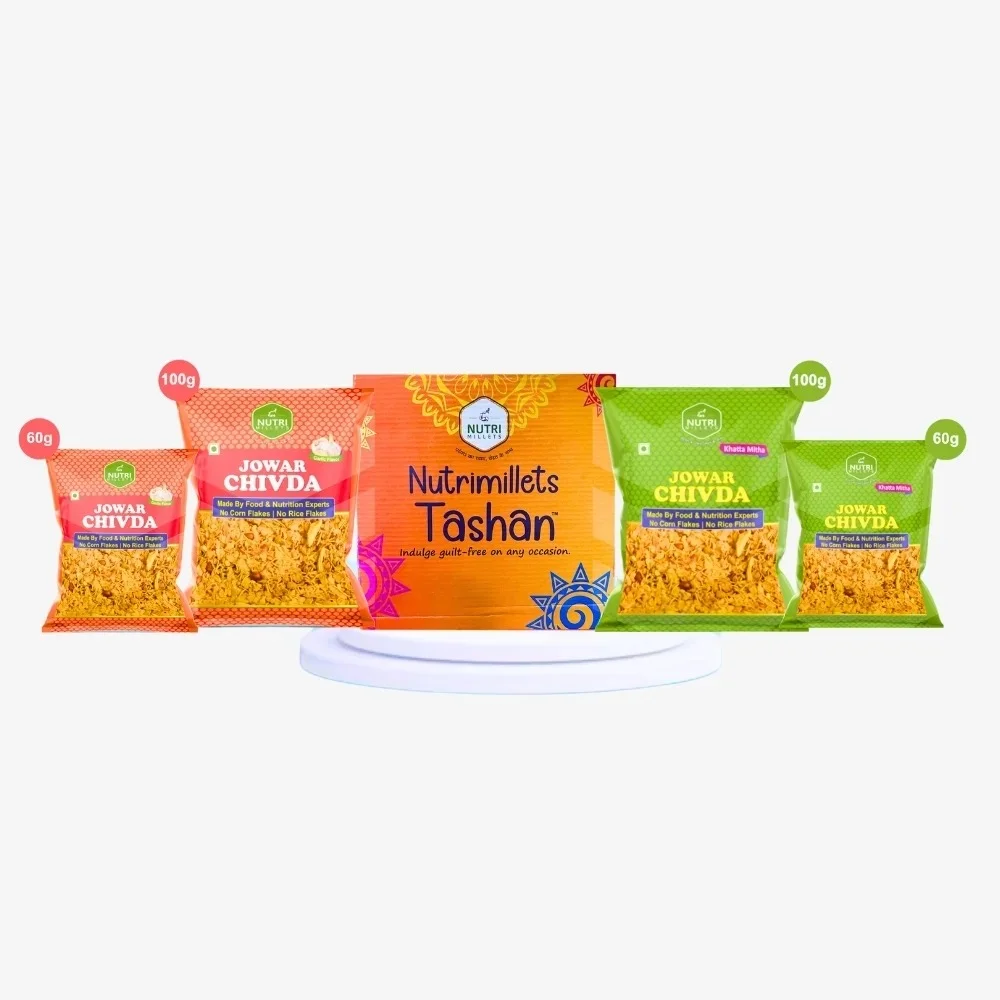
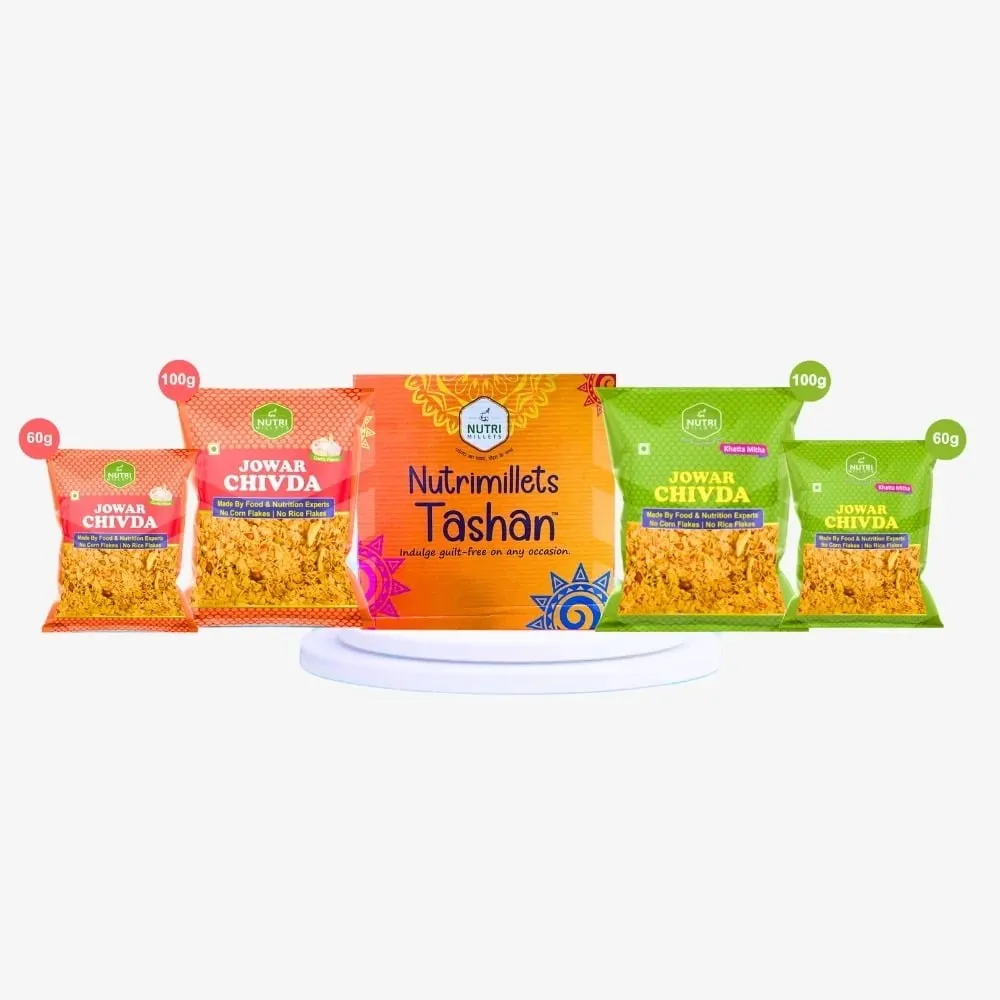
The Assorted Chivda combo primarily utilizes Sorghum (Jowar) flakes, a drought-resistant millet with significantly lower water and carbon footprint compared to rice or corn. Manufacturing involves standard food processing, typically requiring moderate energy for roasting/frying and packaging. The product has a shelf life of several months, minimizing food waste, and its end-of-life depends on packaging recyclability and consumer disposal practices.
| Lifecycle Stage | Impact | Notes |
|---|
| Raw Materials | low | Sorghum is a sustainable crop, requiring less water and fewer inputs than conventional grains like rice or corn. |
| Manufacturing | medium | Processing involves energy for roasting/frying and mixing; potential for reduction with renewable energy sources. |
| Packaging | medium | Individual plastic pouches and outer packaging contribute to plastic waste if not recycled. |
| Transportation | low | Relatively low impact for domestic distribution, but could increase for longer distances or less efficient logistics. |
| Usage Phase | minimal | No energy consumption during the usage phase; minimal impact if consumed before expiry. |
| End-of-Life | medium | Packaging is likely multi-layered plastic, which has limited recyclability in India, contributing to landfill burden. |