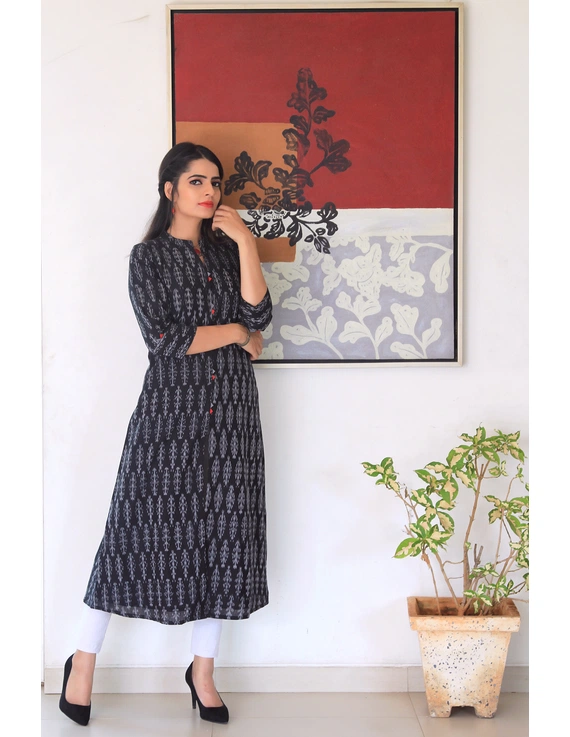
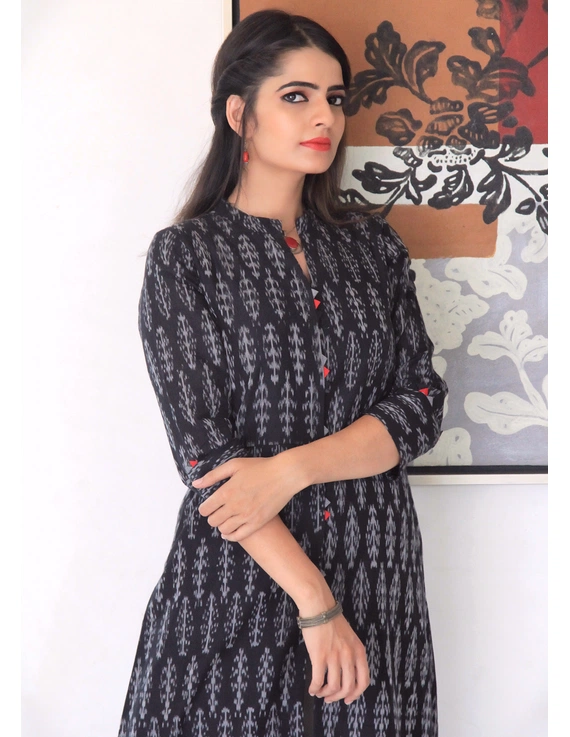
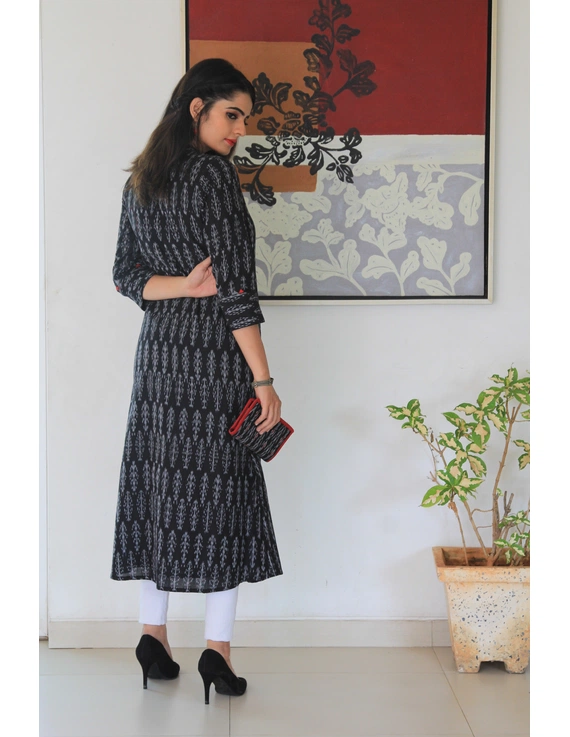
Eco-friendly female garments, such as kurtas, are designed with sustainability in mind. These garments are made using environmentally friendly materials and production processes, aiming to minimize their impact on the planet. They often incorporate organic or natural fibers, such as organic cotton, hemp, linen, or bamboo, which are grown without harmful pesticides or synthetic fertilizers.
In addition to the choice of materials, sustainable kurtas also prioritize ethical manufacturing practices. This includes fair trade principles, safe working conditions, and fair wages for the workers involved in the production process.
To enhance the sustainability of eco-friendly kurtas, various techniques are employed, such as low-impact dyes and printing methods, water and energy conservation, and waste reduction strategies. Some brands also focus on recycling and upcycling techniques, transforming pre-existing materials into new garments.
Furthermore, sustainability extends beyond the garment's production phase. It includes the durability and longevity of the kurtas, encouraging consumers to buy fewer but higher quality items that will last longer. Proper care instructions are often provided to ensure the longevity of the garment and reduce the need for frequent replacements.
Overall, the sustainability of eco-friendly female garments, like kurtas, encompasses the entire lifecycle of the product, from materials sourcing to manufacturing, usage, and disposal. These efforts aim to reduce the environmental impact while promoting social responsibility within the fashion industry.
🔒
Full Sustainability Report
Unlock the complete AI-powered lifecycle analysis — certifications, verdict, carbon comparison & more.
✅ Usage Phase impact
✅ End-of-Life data
✅ Key Highlights
✅ Certifications
✅ Final Verdict
🌿
Want Your Own Company ESG Report?
Generate a full BRSR-aligned ESG report for your organisation — AI-powered, Gemini-backed, with a CM Carbon Rating (A–E).
🔑 Login & Calculate ESG