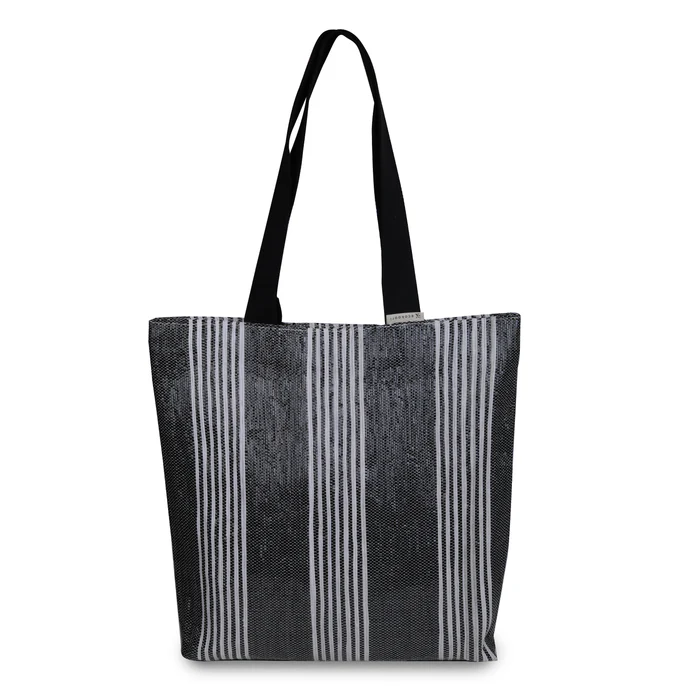
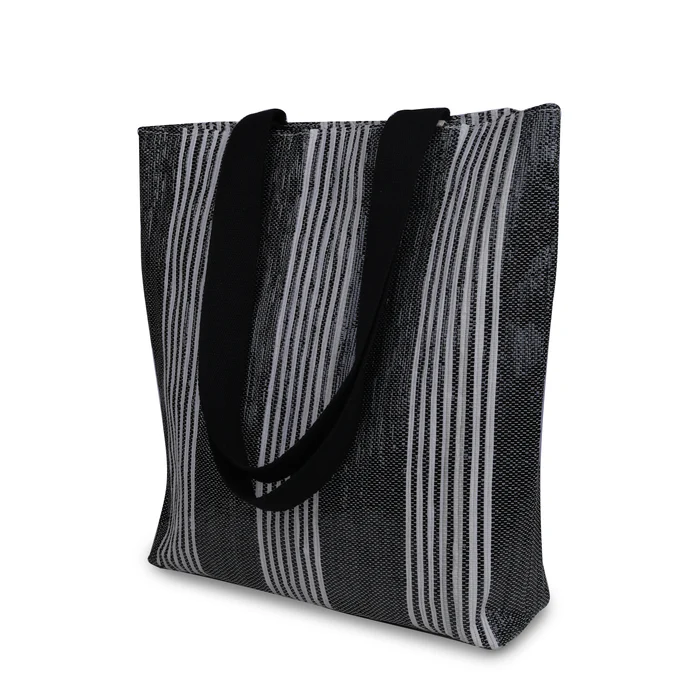
1. Material Choice
1.1. Recycled Materials: The tote is typically made from recycled or upcycled materials, such as recycled cotton, plastic bottles, or other waste products. Using recycled materials reduces the need for virgin resources, which in turn lowers the energy and emissions associated with raw material extraction and processing (Zhao et al., 2020).
1.2. Durable and Long-Lasting Fabrics: The use of high-quality, durable fabrics ensures that the tote has a long lifespan. Longer-lasting products mean less frequent replacement, which reduces the overall demand for production and associated emissions (Hossain et al., 2017).
2. Manufacturing Process
2.1. Low-Impact Production: The production process for the Eco Classic Tote often involves low-impact methods. This might include water-efficient dyeing processes, reduced use of hazardous chemicals, and lower energy consumption in manufacturing. Such practices minimize environmental damage and reduce the carbon footprint (Kozlowski et al., 2012).
2.2. Local Manufacturing: If the tote is manufactured locally or in facilities with high environmental standards, transportation emissions are minimized, and the overall carbon footprint is reduced (Weber et al., 2017).
3. Design and Functionality
3.1. Versatility: The design of the Eco Classic Tote is typically versatile, making it suitable for various uses. This versatility can reduce the need for multiple bags, thus lowering the overall environmental impact (Norris et al., 2020).
3.2. Minimalist Design: A minimalist design reduces waste generated during production and minimizes the need for excess materials. This approach aligns with principles of sustainable design and can lower the carbon footprint (Joy et al., 2012).
4. End-of-Life Considerations
4.1. Recyclability and Biodegradability: If the tote is designed to be recyclable or biodegradable, it ensures that its disposal will have a lower environmental impact. Products that can be easily recycled or decomposed contribute less to landfill waste and reduce long-term carbon emissions (Harrison et al., 2019).
References:
- Zhao, H., Yang, X., & Wang, C. (2020). Environmental impact of recycled materials: A review. Journal of Cleaner Production, 276, 124163.
- Hossain, M. M., & Aslam, M. M. (2017). Sustainability in textile industry: Analysis and review. Journal of Cleaner Production, 141, 1526-1534.
- Kozlowski, A., Bardecki, M., & Searcy, C. (2012). Sustainability in the textile industry: A review of the literature. Sustainable Production and Consumption, 2, 1-11.
- Weber, C. L., & Matthews, H. S. (2017). Quantifying the environmental sustainability of products: Life cycle assessment and carbon footprinting. Environmental Science & Technology, 51(22), 12849-12859.
- Norris, G. A., & Bauman, H. (2020). Life cycle assessment: Principles and practice. CRC Press.
- Joy, T., Shukla, S., & Gupta, R. (2012). The impact of design and innovation on sustainability: A case study. Design Management Review, 23(1), 12-24.
- Harrison, R., & Kula, S. (2019). End-of-life management of products: An environmental perspective. Waste Management, 95, 128-137.
🔒
Full Sustainability Report
Unlock the complete AI-powered lifecycle analysis — certifications, verdict, carbon comparison & more.
✅ Usage Phase impact
✅ End-of-Life data
✅ Key Highlights
✅ Certifications
✅ Final Verdict
🌿
Want Your Own Company ESG Report?
Generate a full BRSR-aligned ESG report for your organisation — AI-powered, Gemini-backed, with a CM Carbon Rating (A–E).
🔑 Login & Calculate ESG