Sustainability Score
6/10
Carbon Footprint
Medium
Low-Carbon Lifestyle Fit
Good
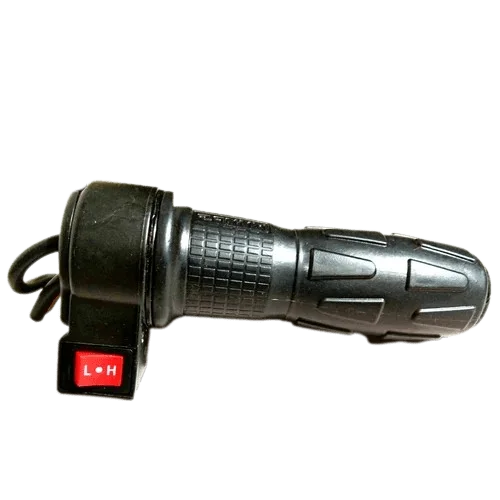
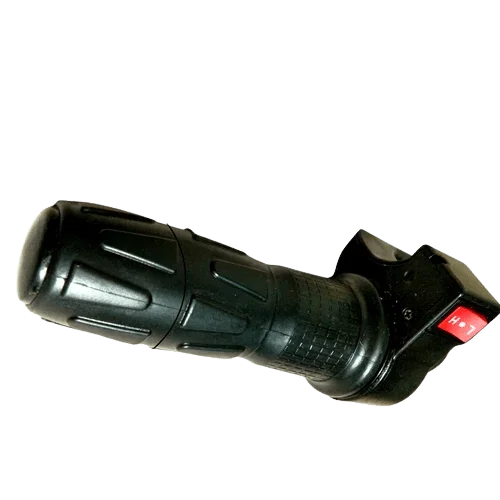
The Electric Bike Throttle's primary raw materials include PVC for casing and internal electronic components, which have a moderate environmental footprint during extraction and processing. Manufacturing in India, while reducing international transport emissions, typically relies on a grid mix with a significant fossil fuel component. The product's lifespan is expected to be several years, directly supporting the longevity of electric vehicles. End-of-life disposal is a key concern, as PVC and electronic waste require specialized recycling to prevent landfilling and resource loss.
| Lifecycle Stage | Impact | Notes |
|---|
| Raw Materials | medium | PVC production is energy-intensive and involves petrochemicals; electronic components contain various metals and plastics. |
| Manufacturing | medium | Assembly and molding processes require energy, primarily from India's grid, and generate some industrial waste. |
| Packaging | low | Likely uses minimal and standard packaging materials, potentially cardboard or plastic film, for protection during transit. |
| Transportation | low | Manufactured and distributed within India, reducing long-haul international shipping emissions. |
| Usage Phase | minimal | As a passive component, its direct operational environmental impact is negligible, primarily supporting zero-emission electric vehicles. |
| End-of-Life | medium | Disposal can contribute to e-waste if not properly recycled, due to mixed materials (PVC, metals, electronics). |