Sustainability Score
7/10
Carbon Footprint
Low
Low-Carbon Lifestyle Fit
Excellent
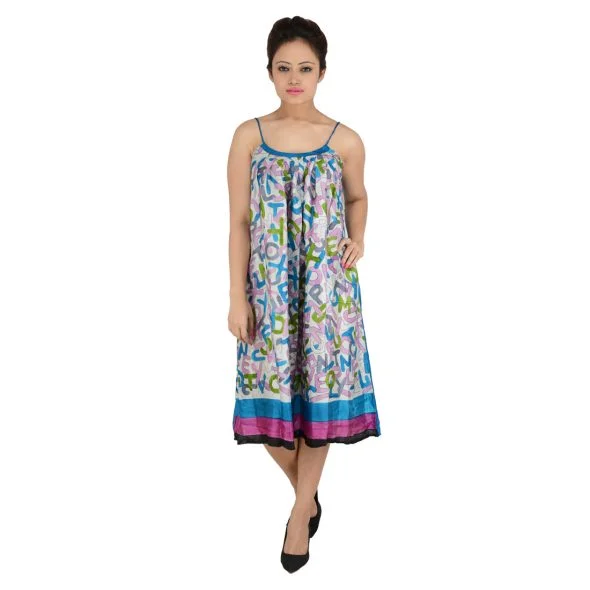
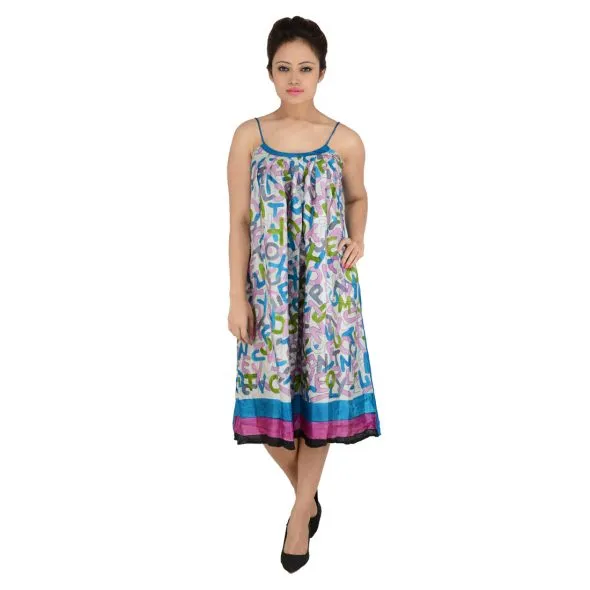
This Hand Painted Gathered Silk Dress leverages natural silk, a renewable resource, which significantly reduces its raw material impact compared to synthetic alternatives. The hand-painted and gathered design indicates artisanal production, likely reducing energy intensity in manufacturing compared to mass-produced items. With proper hand care, the product can achieve a long lifespan, minimizing the need for frequent replacements. At end-of-life, silk is biodegradable, offering a more sustainable disposal pathway than synthetic garments.
| Lifecycle Stage | Impact | Notes |
|---|
| Raw Materials | low | Silk is a natural, renewable fiber with a lower environmental footprint than synthetic fabrics, though sericulture can have water and land use impacts. |
| Manufacturing | low | Hand painting and artisanal gathering imply lower energy consumption per unit compared to industrial dyeing and automated garment production. |
| Packaging | minimal | Assuming standard minimal packaging (e.g., polybag or paper wrap), impact is generally low but can be further reduced with recycled or compostable materials. |
| Transportation | medium | Impact depends on sourcing locations for raw silk and dyes, and distribution channels to the final consumer; air freight would significantly increase impact. |
| Usage Phase | low | Hand washing with mild soap and cold water, as recommended, significantly reduces energy and water consumption compared to machine washing and tumble drying. |
| End-of-Life | low | Silk is a natural protein fiber and is biodegradable, reducing landfill burden compared to synthetic materials like polyester or nylon. |