SKU
CTMEFGH07
Minimum Order
50 pieces
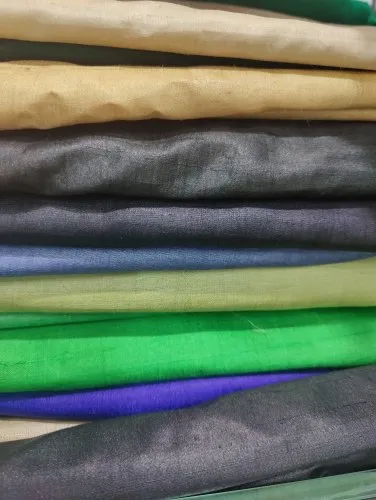
Handloom Tussar Silk Fabric
Available Color
Grey
Blue
Yellow
Black
Green, etc
Eco-friendly garments, often referred to as sustainable or green fashion, are clothing items designed and produced with a primary focus on reducing their environmental impact. These garments are created using practices and materials that minimize harm to the planet and promote responsible consumption.
Key features of eco-friendly garments include:
1. **Sustainable Materials:**Eco-friendly clothing frequently utilizes materials such as organic cotton, hemp, Tencel, or recycled fibers, reducing the need for pesticides and chemicals.
2. **Reduced Water Usage:** Manufacturers of eco-friendly garments prioritize water-efficient production processes to decrease water consumption during dyeing and finishing.
3. **Energy Efficiency:** Sustainable fashion brands aim to reduce their carbon footprint by utilizing renewable energy sources and efficient manufacturing methods.
4. **Fair Labor Practices:** Brands frequently ensure fair wages and safe working environments for workers producing eco-friendly garments under ethical conditions.
5. **Dyeing and Printing Techniques:** Environmentally responsible dyeing and printing methods reduce the use of harmful chemicals and water waste.
6. **Longevity and Durability:** Sustainable clothing is often designed for long-term use, emphasizing quality, timeless designs, and durability to discourage disposable fashion trends.
7. **Recyclability and Biodegradability:** Eco-friendly clothing cuts waste via recyclability or biodegradability and ethical production secures fair wages and safety.
8. **Local Production:** Brands may source materials and manufacture their garments locally, reducing transportation-related carbon emissions.
Handloom Tussar Silk Fabric. Eco-friendly garments promote ethical, sustainable fashion, fostering a cleaner, responsible industry. By opting for these clothing items, consumers can contribute to a greener future while still enjoying style and comfort. Brands may source materials and manufacture their garments locally, reducing transportation-related carbon emissions.
No reviews yet. Be the first to review this product.
Ask a Question
Login to ask a question.
Sustainability and ethical practices in handloom weaving are crucial for various reasons. Consumers, businesses, and policymakers can play a significant role in promoting and encouraging these practices within the handloom industry:
Supporting artisan cooperatives or community-based organizations can help ensure that the benefits of handloom weaving are shared more equitably among the members of a community.
In summary, sustainability and ethical practices in handloom weaving encompass a range of principles aimed at preserving cultural heritage, supporting artisans, and reducing environmental impact.
Sustainable practices in handloom weaving involve using natural and eco-friendly materials, minimizing waste, and reducing the use of harmful chemicals in dyeing and finishing processes. This reduces the environmental impact of the industry.
🔒
Full Sustainability Report
Unlock the complete AI-powered lifecycle analysis — certifications, verdict, carbon comparison & more.
✅ Usage Phase impact
✅ End-of-Life data
✅ Key Highlights
✅ Certifications
✅ Final Verdict
🌿
Want Your Own Company ESG Report?
Generate a full BRSR-aligned ESG report for your organisation — AI-powered, Gemini-backed, with a CM Carbon Rating (A–E).
🔑 Login & Calculate ESG
Offers
No offers available for this product at the moment.
Contact the vendor for bulk order pricing: Neemboli
Please contact the vendor directly for their specific return and shipping policies.