Sustainability Score
6.5/10
Carbon Footprint
Medium
Low-Carbon Lifestyle Fit
Good
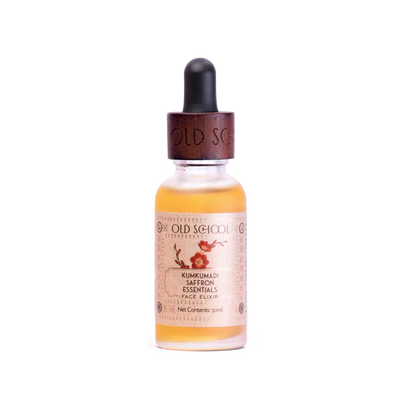
The Kumkumadi Saffron Essentials Face Elixir primarily relies on natural, plant-derived raw materials like Kumkumadi Tailam and Kashmiri Saffron, which generally have a lower carbon footprint compared to synthetic alternatives. Manufacturing processes for cosmetic oils typically involve extraction, blending, and bottling, with energy consumption varying based on facility efficiency. The product's lifespan is tied to its shelf life and consistent nightly use, promoting full consumption. End-of-life disposal largely depends on the packaging materials chosen by the manufacturer, with glass being a common, recyclable option for such products.
| Lifecycle Stage | Impact | Notes |
|---|
| Raw Materials | low | Sourcing of natural ingredients like saffron and specific herbs for Kumkumadi Tailam can have localized land-use and water impacts, but generally lower than petrochemicals. |
| Manufacturing | medium | Energy consumption for extraction, blending, and bottling processes, along with potential waste generation, contributes to the overall footprint. |
| Packaging | medium | Small glass bottles are common for face elixirs, which are recyclable but require energy for production and transport. Plastic droppers or caps may reduce recyclability. |
| Transportation | medium | Transport of raw materials to manufacturing, and finished goods to distribution centers and consumers, especially for premium ingredients like Kashmiri saffron, can be significant. |
| Usage Phase | minimal | The product requires no energy during its usage phase, only application by the consumer. |
| End-of-Life | medium | Recyclability depends heavily on the consumer's local waste management infrastructure and their adherence to recycling guidelines for glass and mixed materials. |