

Shopping Cart
Shipping Address :
Guest
No shipping address found. Please add an address.
—
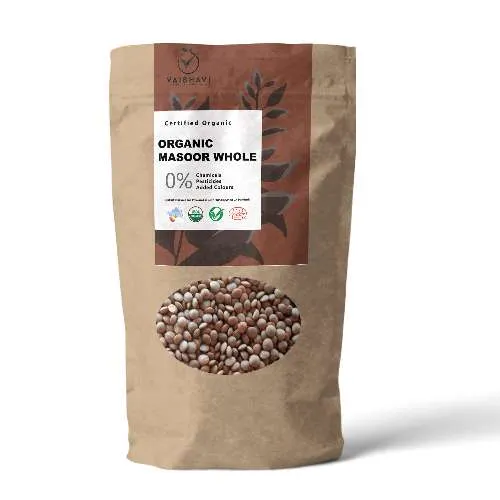
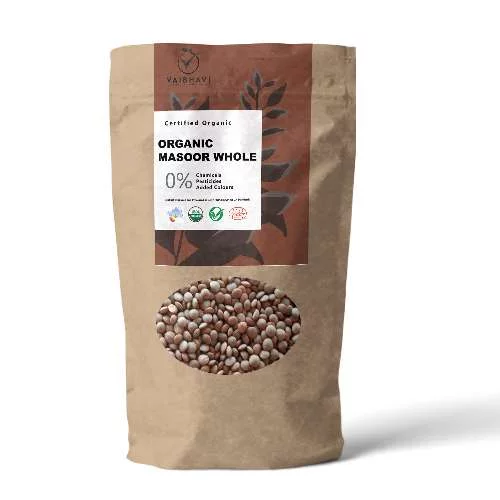
MASOOR WHOLE
Price: ₹130.00 per pieces
Estimated Total Amount: ₹130.00
Masoor is one of the most common


Masoor is one of the most common lentils in India. Masoor is available all year-round and has many varieties. The variety of masoor that is brown from the outside because of its skin, and orange from…
| Category: | PULSES & GRAINS | Product Name: | MASOOR WHOLE |
|---|---|---|---|
| MRP: | 130 | Expiry: | 12 Months |
| Weight: | 0.5 KG, | Special Feature: | Organic |
| HSN: | 07134000 | GST %: | 5% |
| Package Dimensions: | Brand: | Vaibhavi Natural | |
| Item Weight: | 0.5 KG, |
· Good for bones and skin.
· Rich in iron and zinc.
· Good for cardiovascular health.
· Has certain benefits during pregnancy.
· Packed with protein and fiber.
· Has a low glycemic index.
No reviews yet. Be the first to review this product.
Login to ask a question.
Environmental Impact: Organic farming practices generally prioritize environmental sustainability. Organic beans and pulses are grown without the use of synthetic pesticides, genetically modified organisms (GMOs), or synthetic fertilizers. This reduces the potential for chemical runoff, soil erosion, and contamination of water sources, leading to a healthier ecosystem.
Soil Health: Organic farming emphasizes the use of natural methods to maintain soil fertility. Organic farmers employ techniques such as crop rotation, cover cropping, and composting, which enhance soil structure and increase its organic matter content. This promotes long-term soil health and reduces soil degradation, helping to sustain the productivity of land used for growing beans and pulses.
Biodiversity: Organic farming practices often support greater biodiversity compared to conventional methods. By avoiding the use of synthetic chemicals, organic farmers create a more favorable environment for beneficial insects, birds, and other wildlife. Additionally, organic farms typically preserve hedgerows, field margins, and natural habitats, which contribute to the overall ecological balance.
Water Conservation: Organic farming aims to minimize water consumption by employing efficient irrigation techniques and promoting soil moisture retention. By avoiding synthetic fertilizers, which can contribute to water pollution, organic bean and pulse production helps maintain the quality of water resources.
Social Aspects: While sustainability often focuses on environmental aspects, it also encompasses social considerations. Organic farming systems often prioritize fair trade practices, support local economies, and provide better working conditions for farmers and laborers. This contributes to sustainable livelihoods and equitable development.
Carbon Footprint: Organic agriculture generally has a lower carbon footprint compared to conventional farming due to reduced energy inputs and avoidance of synthetic fertilizers. However, the specific carbon emissions associated with organic beans and pulses can vary depending on factors such as transportation distances and farming practices. Locally sourced organic beans and pulses can further reduce the carbon footprint by minimizing transportation-related emissions.
Overall, organic beans and pulses can contribute to a more sustainable food system by promoting environmentally friendly practices, protecting biodiversity, conserving water resources, and supporting social well-being. However, it's important to note that sustainability is a complex and multifaceted concept, and there may still be challenges and areas for improvement within organic farming systems.
No offers available for this product at the moment.
Contact the vendor for bulk order pricing: VaibhaviNaturals
Please contact the vendor directly for their specific return and shipping policies.
For any inquiries, contact us at info@cleantech-mart.com