SKU
CTMOPNM018
Minimum Order
144 pieces
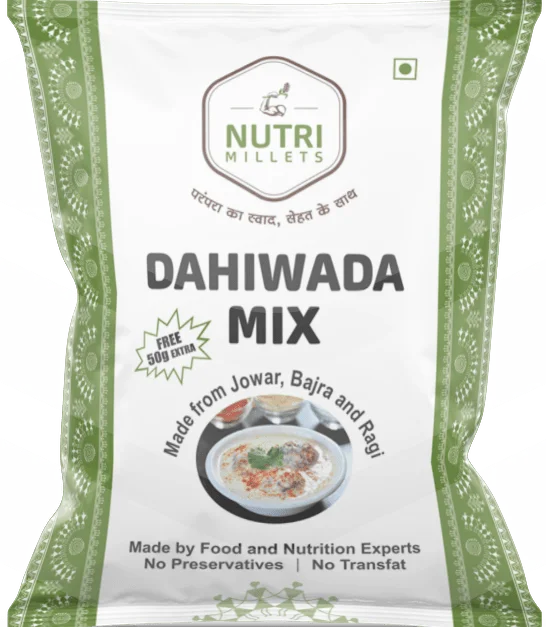
Nutrimillets ready mix:
In the realm of breakfast and snacks, a noteworthy shift towards healthier alternatives is embodied by the rise of millet-based food products. Transitioning from traditional grains, millets emerge as nutritional powerhouses, reshaping the food landscape.
To commence, millets, a diverse group of small-seeded grasses, serve as the foundation for a myriad of breakfast and snack options. From millet porridge to granola bars, these products offer a delectable fusion of taste and health benefits.
Transitioning from conventional cereal grains, millets boast a rich nutritional profile. Packed with essential nutrients like fiber, vitamins, and minerals, they contribute to overall well-being and aid in combating lifestyle-related diseases.
The versatility of millets in snack preparation is noteworthy. Millet-based snacks, such as baked millet chips or millet-based energy bars, cater to the growing demand for on-the-go, nutritious alternatives. These snacks are not only convenient but also satiate cravings without compromising health.
Moreover, millet products align with the trend of gluten-free and allergen-friendly options. They cater to individuals with dietary restrictions, offering a wholesome alternative that doesn't compromise on taste or nutritional value.
The benefits extend beyond personal health; millet cultivation promotes sustainable agriculture. These hardy crops require less water and are well-adapted to diverse agroecological zones, contributing to water conservation and soil health.
Nutrimillets ready mix: As consumer awareness grows, the food industry responds with innovative millet-based products. Breakfast cereals, muffins, and even millet-based pasta are becoming staples, offering a delightful departure from traditional breakfast and snack choices.
In conclusion, the elevation of millet-based food products in the breakfast and snacks domain signifies a shift towards holistic well-being and sustainable food choices. The amalgamation of nutritional benefits, versatility, and environmental sustainability positions millets as a transformative force in shaping the future of breakfast and snack options.
No reviews yet. Be the first to review this product.
Ask a Question
Login to ask a question.
1. Sourcing of Ingredients
Sustainable Agriculture:
- If the Dahiwada Mix ingredients are sourced from organic or sustainable farming practices, it helps in reducing the environmental impact. Sustainable agriculture often uses fewer synthetic chemicals, reduces soil erosion, and conserves water, contributing to a lower carbon footprint.
Local Sourcing:
- Using locally sourced ingredients minimizes transportation emissions. If the ingredients are grown near the production facility, the transportation distance is reduced, which lowers the carbon footprint associated with distribution.
2. Manufacturing Process
Energy Efficiency:
- Energy-efficient manufacturing processes reduce the carbon footprint. For instance, using renewable energy sources (solar, wind) or energy-efficient machinery can significantly lower emissions during production.
Waste Management:
- Efficient waste management practices, such as recycling or composting by-products, can reduce the carbon footprint. Minimizing waste in the production process helps in lowering overall greenhouse gas emissions.
Water Use:
- Implementing water-saving technologies and practices reduces the water footprint and indirectly lowers the carbon footprint, as water treatment and management often involve energy use.
3. Packaging
Eco-Friendly Packaging:
- Using recyclable, biodegradable, or minimal packaging reduces the environmental impact. Packaging materials that have lower carbon footprints, such as recycled paper or plant-based plastics, contribute to overall sustainability.
Reduction of Packaging:
- Reducing the amount of packaging also helps in lowering the carbon footprint by decreasing the resources needed for production and disposal.
4. Transportation
Efficient Distribution:
- Optimizing distribution routes and using energy-efficient transportation methods can reduce the carbon footprint associated with delivering the product to consumers.
Local Distribution Centers:
- Establishing local distribution centers can minimize transportation distances, further reducing emissions related to logistics.
5. Product Lifecycle
Durability and Shelf Life:
- Products with longer shelf lives and those that are less prone to spoilage help in reducing waste and emissions related to product disposal and replacement.
Consumer Use:
- Encouraging consumers to use the product sustainably (e.g., using appropriate amounts and storing it correctly) can also impact the overall carbon footprint.
References & Scientific Explanation
- Sustainable Agriculture:
- Reference: Food and Agriculture Organization (FAO). "Sustainable agriculture and rural development." FAO
- Energy Efficiency in Manufacturing:
- Reference: International Energy Agency (IEA). "Energy Efficiency Technologies and Policy Options." IEA
- Eco-Friendly Packaging:
- Transportation Efficiency:
- Reference: Environmental Protection Agency (EPA). "SmartWay Transport Partnership." EPA
🔒
Full Sustainability Report
Unlock the complete AI-powered lifecycle analysis — certifications, verdict, carbon comparison & more.
✅ Usage Phase impact
✅ End-of-Life data
✅ Key Highlights
✅ Certifications
✅ Final Verdict
🌿
Want Your Own Company ESG Report?
Generate a full BRSR-aligned ESG report for your organisation — AI-powered, Gemini-backed, with a CM Carbon Rating (A–E).
🔑 Login & Calculate ESG
Offers
No offers available for this product at the moment.
Contact the vendor for bulk order pricing: nutrimillets
Please contact the vendor directly for their specific return and shipping policies.