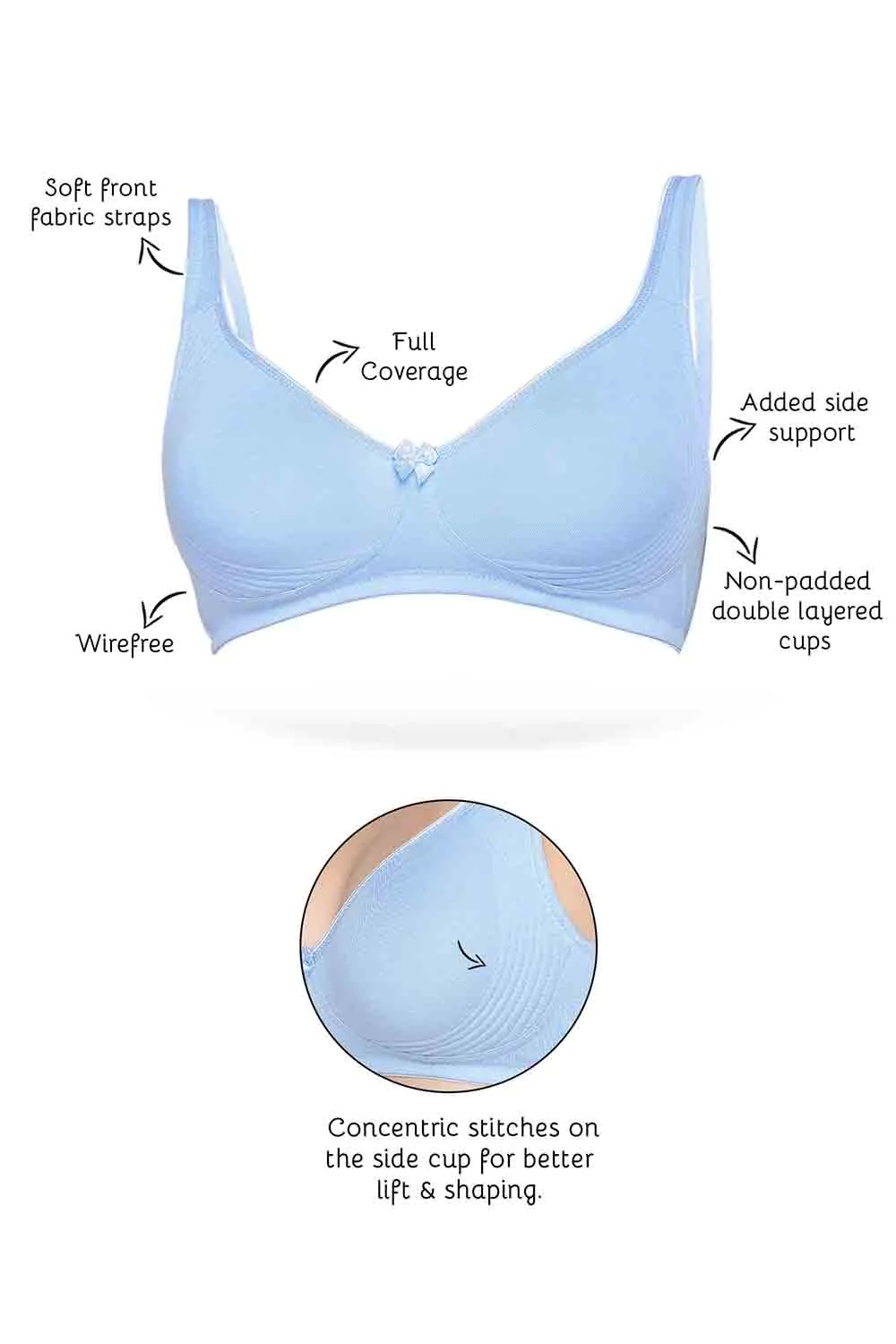
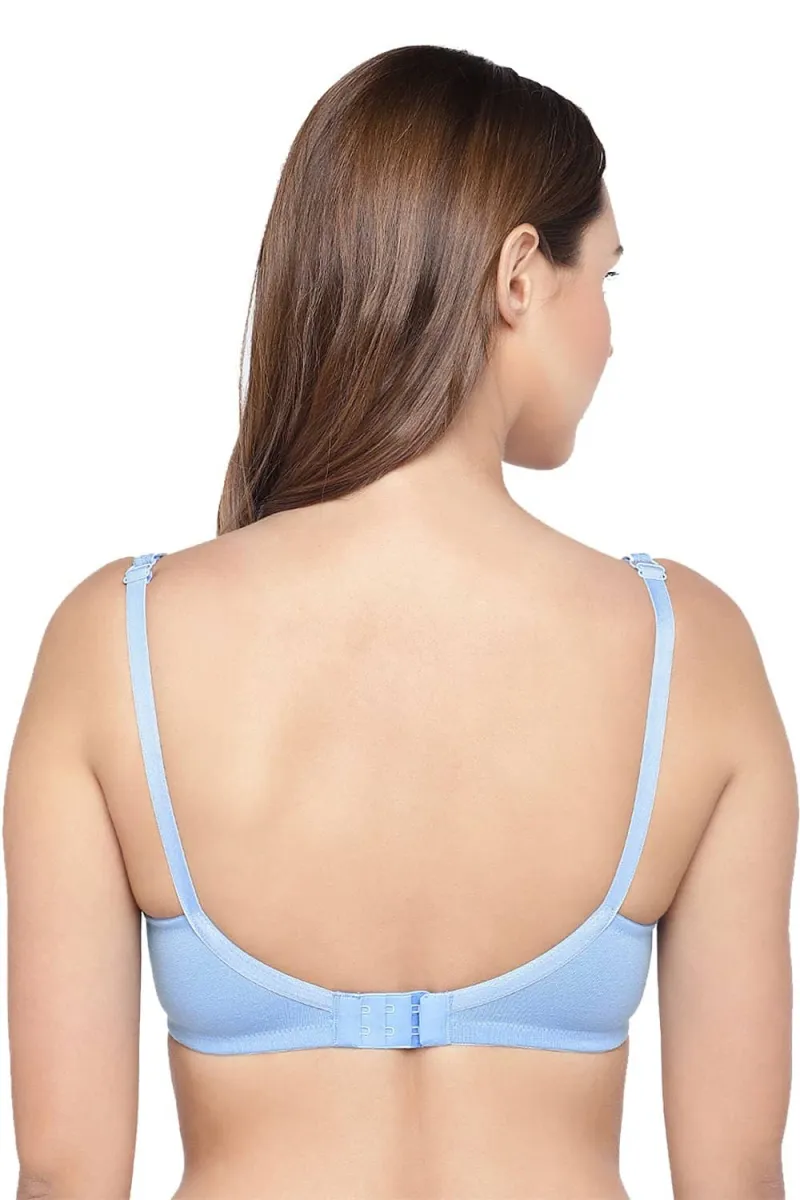
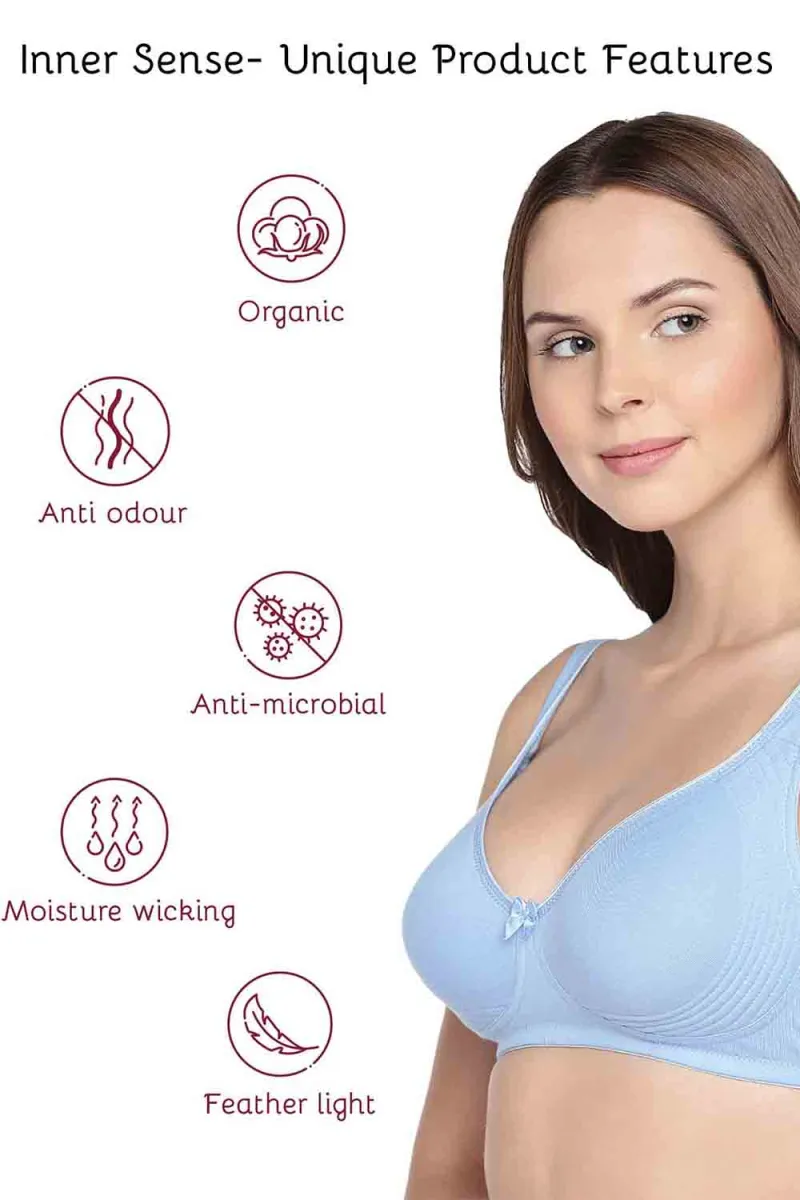
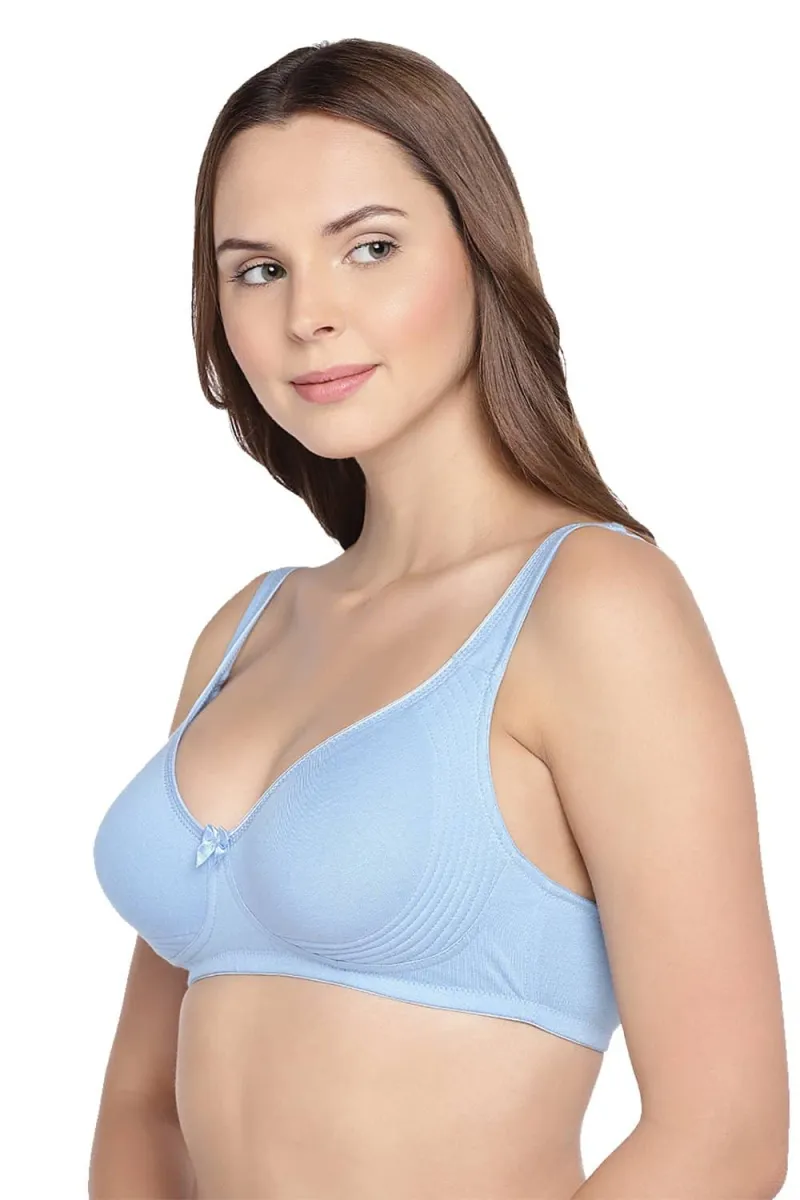
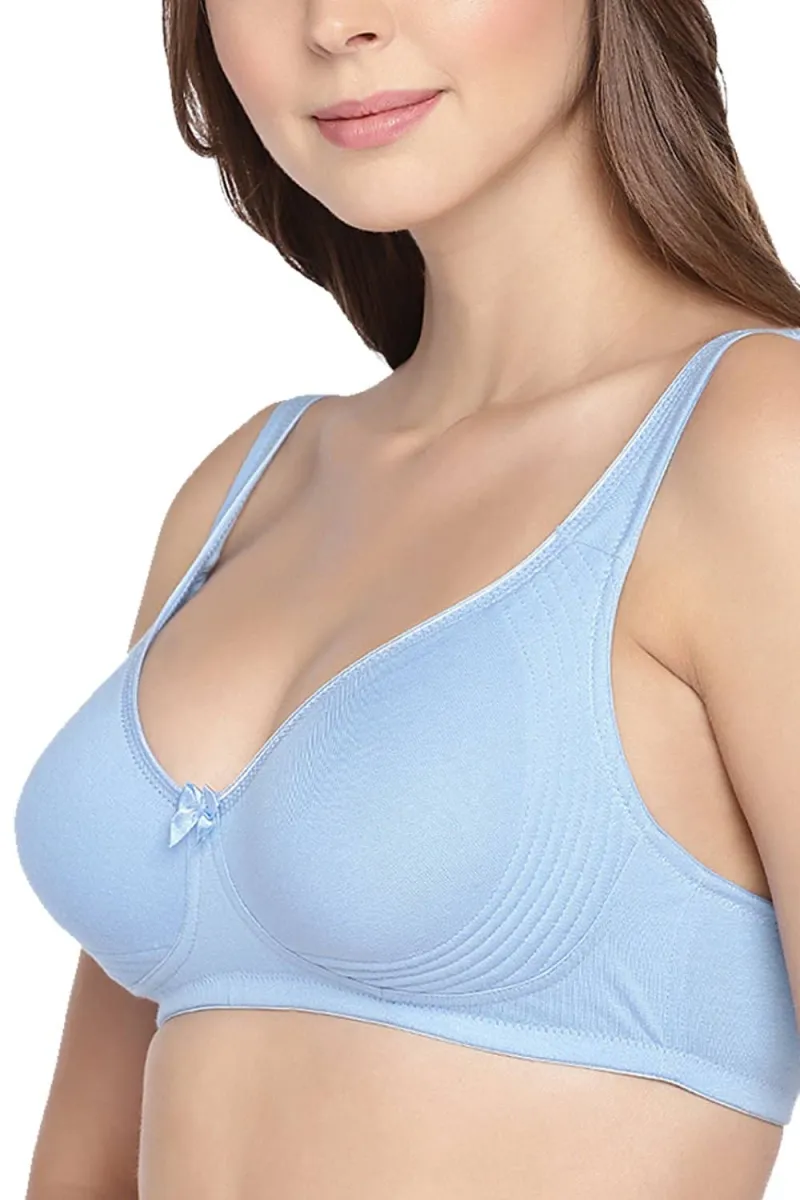
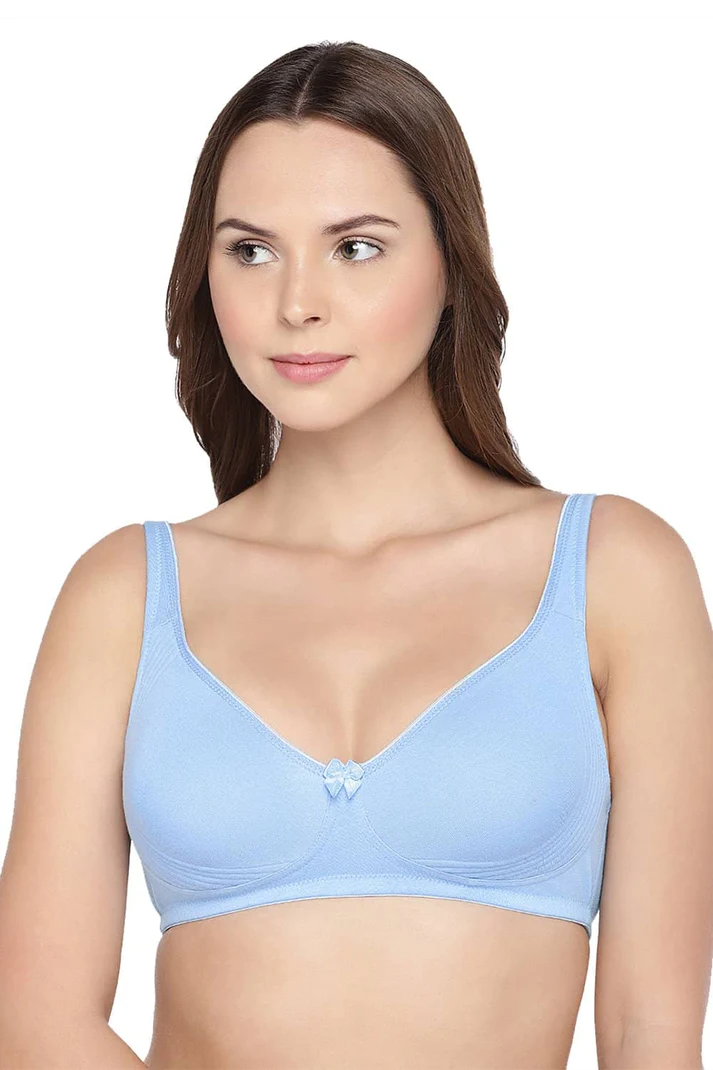
The sustainability of an organic non-padded bra depends on several factors, including the materials used, the production process, and the end-of-life disposal.
Organic materials, such as organic cotton or bamboo, are often considered more sustainable than conventional materials because they are grown without the use of harmful chemicals and pesticides. These materials are also typically biodegradable, which means they will break down naturally over time.
However, the production process of organic bras also plays a role in their sustainability. For example, if the manufacturing process uses renewable energy sources and minimizes waste, the bra may be considered more sustainable.
Additionally, the end-of-life disposal of the bra is important. If the bra can be recycled or composted at the end of its life, it will have a lower environmental impact than if it ends up in a landfill.
Overall, a sustainable organic non-padded bra would be made from organic materials, manufactured using environmentally friendly processes, and designed for end-of-life disposal that minimizes its impact on the environment.
🔒
Full Sustainability Report
Unlock the complete AI-powered lifecycle analysis — certifications, verdict, carbon comparison & more.
✅ Usage Phase impact
✅ End-of-Life data
✅ Key Highlights
✅ Certifications
✅ Final Verdict
🌿
Want Your Own Company ESG Report?
Generate a full BRSR-aligned ESG report for your organisation — AI-powered, Gemini-backed, with a CM Carbon Rating (A–E).
🔑 Login & Calculate ESG