
Shopping Cart
Shipping Address :
Guest
No shipping address found. Please add an address.
β
Organic Turmeric Powder
Price: βΉ140.00 per pieces
Estimated Total Amount: βΉ140.00


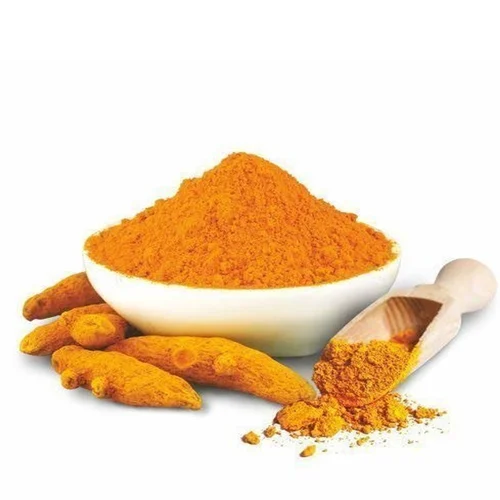
| Form | Powder |
| Packaging Type | Loose |
| Color | Yellow |
| It Is Organic | Yes |
| Usage/Application | Cooking |
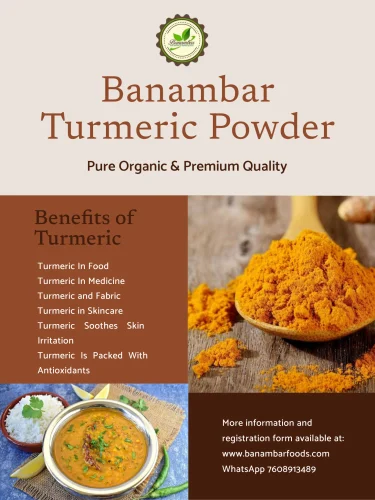
Turmeric powder has a warm, bitter, black pepper-like flavor and earthy, mustard-like aroma. Curcumin, a bright yellow chemical produced by the turmeric plant, is approved as a food additive by the World Health Organization, European Parliament, and United States Food and Drug Administration.
No reviews yet. Be the first to review this product.
Login to ask a question.
Organic food products are generally considered more sustainable compared to conventionally produced food products. Here are some reasons why organic food is often seen as more sustainable:
Reduced chemical inputs: Organic farming practices minimize the use of synthetic fertilizers, pesticides, herbicides, and genetically modified organisms (GMOs). This reduces the environmental impact associated with chemical pollution, soil erosion, and water contamination.
Soil health: Organic farming emphasizes the use of organic matter, crop rotation, and natural methods to maintain and improve soil fertility. These practices help preserve soil health, enhance biodiversity, and promote the long-term sustainability of agricultural land.
Conservation of water resources: Organic farming practices, such as mulching and drip irrigation, focus on water conservation and efficient water use. By reducing water consumption and minimizing water pollution from chemical runoff, organic agriculture contributes to the sustainability of water resources.
Biodiversity preservation: Organic farms often prioritize the protection and promotion of biodiversity. They avoid using synthetic chemicals that can harm beneficial insects, birds, and other wildlife. Preserving biodiversity is crucial for maintaining resilient ecosystems and supporting pollination and natural pest control.
Climate change mitigation: Organic farming practices tend to have lower greenhouse gas emissions compared to conventional agriculture. By avoiding synthetic fertilizers and reducing the use of machinery, organic farming helps mitigate climate change and minimize its impact on the environment.
However, it is important to note that organic farming is not without its challenges and critics. Organic agriculture generally has lower yields compared to conventional methods, which can limit its scalability and ability to feed a growing global population. Additionally, transportation and distribution factors can still contribute to the carbon footprint of organic food products, especially if they are transported over long distances.
Overall, while organic food products offer various sustainability benefits, it is essential to consider other factors such as local and seasonal food availability, farming practices, and the overall food system's efficiency to make informed decisions about sustainability in food production and consumption.
No offers available for this product at the moment.
Contact the vendor for bulk order pricing: BanamberFoodsAndSoftwareSolutions(OPC)PrivateLimited
Please contact the vendor directly for their specific return and shipping policies.
For any inquiries, contact us at info@cleantech-mart.com