SKU
CTMFPM191
Minimum Order
10 pieces
Pearl Millet Rava:
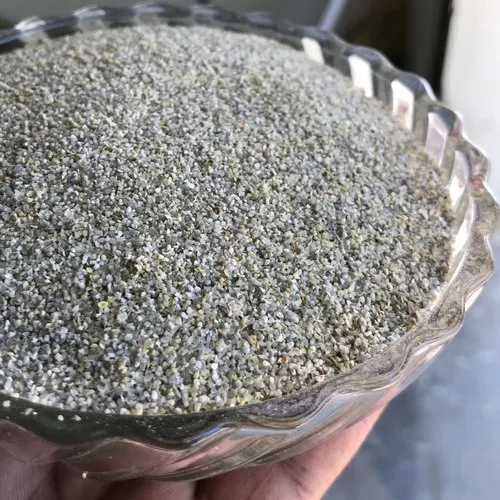
Millets, revered in Indian cuisine, take center stage in the Bliss Tree brand's offerings. With a focus on quality, our 500g Parboiled Little Millet, neatly packaged in stand-up poly pouches, epitomizes excellence. The half-white color and gluten-free nature make it a culinary gem.
In each 500g pack, expect an energy-packed 329 units, 17 of calcium, 5.2g of total fat, and 9.3g of iron. Sourced from Tamil Nadu, the millet guarantees 100% purity and boasts a commendable shelf life of 6 months. The ingredient list is refreshingly simple, featuring only millet.
As a quality-centric firm, we prioritize delivering top-notch products promptly and at reasonable prices. Transitioning from the product details to its health benefits, our 500g Parboiled Little Millet becomes more than a culinary delight. It actively contributes to lowering the risk of type 2 diabetes, reducing the likelihood of heart attacks, and improving digestion.
Moreover, this millet provides a shield against breast cancer and childhood asthma. It is not merely a food item but a holistic health ally. With each bite, consumers embrace a healthier lifestyle, fortified by the inherent goodness of millets.
Pearl Millet Rava: Millets come in various types, such as pearl millet, foxtail millet, finger millet, and sorghum. Each type has its unique flavor and nutritional profile, adding diversity to meals. As awareness of the health benefits of millets grows, these ancient grains are making a comeback in modern diets, contributing to sustainable agriculture and promoting food security. Incorporating millet products into your diet can be a flavorful and nutritious way to embrace these ancient grains and support sustainable food choices. this millet provides a shield against breast cancer and childhood asthma.
Moreover, this millet provides a shield against breast cancer and childhood asthma. It is not merely a food item but a holistic health ally. With each bite, consumers embrace a healthier lifestyle, fortified by the inherent goodness of millets.
No reviews yet. Be the first to review this product.
Ask a Question
Login to ask a question.
Sustainability Score
7/10
Carbon Footprint
Low
Low-Carbon Lifestyle Fit
Excellent
Pearl Millet Rava's lifecycle is characterized by its reliance on naturally drought-resistant and low-input pearl millet as a primary raw material. Manufacturing involves minimal processing steps, primarily cleaning, dehulling, and grinding, which are generally low energy-intensive. The product boasts a 6-month shelf life, reducing food waste, and its end-of-life typically involves consumption, with packaging being the main disposal consideration.
| Lifecycle Stage | Impact | Notes |
|---|
| Raw Materials | low | Pearl millet requires significantly less water and fewer synthetic fertilizers/pesticides compared to conventional grains like rice or wheat. |
| Manufacturing | low | Processing is mechanical (cleaning, dehulling, grinding) and does not typically involve high heat or complex chemical reactions, resulting in low energy consumption. |
| Packaging | medium | The use of stand-up poly pouches, while protective, is a single-use plastic, contributing to plastic waste if not properly recycled. |
| Transportation | low | Sourced from Tamil Nadu for the Indian market, minimizing long-haul international shipping, though domestic logistics still have an impact. |
| Usage Phase | minimal | No energy consumption during the usage phase; preparation methods (e.g., cooking) are typical for grains. |
| End-of-Life | medium | The millet itself is consumed, but the poly pouch packaging requires robust recycling infrastructure, which is still developing in parts of India. |
🌟 Key Highlights
- Water-Efficient Crop: Pearl millet cultivation requires up to 70% less water than rice, significantly reducing agricultural water footprint.
- Low Input Farming: Naturally resilient, pearl millet typically needs 50-75% less synthetic fertilizer and pesticides compared to high-yield cereals.
- Reduced Processing Energy: Mechanical processing for rava has an estimated 40-50% lower energy demand than highly refined or processed food products.
⚠️ Areas for Improvement
- Sustainable Packaging: Transitioning from conventional poly pouches to compostable, biodegradable, or widely recyclable alternatives (e.g., paper-based with bio-liner) would significantly reduce plastic waste.
- Supply Chain Transparency: Implementing certifications for sustainable farming practices (e.g., organic, fair trade) at the farmer level to ensure ecological and social responsibility.
📋 Relevant Certifications & Standards
BIS (Bureau of Indian Standards) for food safety and quality, FSSAI (Food Safety and Standards Authority of India) for food product compliance. For enhanced sustainability, certifications like India Organic, Jaivik Bharat, or ISO 14001 for environmental management in processing facilities would be highly beneficial. Traceability standards for farm-to-fork journey are also relevant.
Recommended For: Both
vs. Conventional: "~50% lower lifecycle water footprint than rice-based products"
🔬 This report is AI-generated based on published lifecycle assessment research, industry benchmarks, and Indian market standards for this product category. Actual values may vary by manufacturer. Vendors are encouraged to provide third-party LCA documentation for certified sustainability reporting.
🔒
Full Sustainability Report
Unlock the complete AI-powered lifecycle analysis — certifications, verdict, carbon comparison & more.
✅ Usage Phase impact
✅ End-of-Life data
✅ Key Highlights
✅ Certifications
✅ Final Verdict
🌿
Want Your Own Company ESG Report?
Generate a full BRSR-aligned ESG report for your organisation — AI-powered, Gemini-backed, with a CM Carbon Rating (A–E).
🔑 Login & Calculate ESG
Offers
No offers available for this product at the moment.
Contact the vendor for bulk order pricing: NavaDhaanAgro
Please contact the vendor directly for their specific return and shipping policies.