1. Materials Used
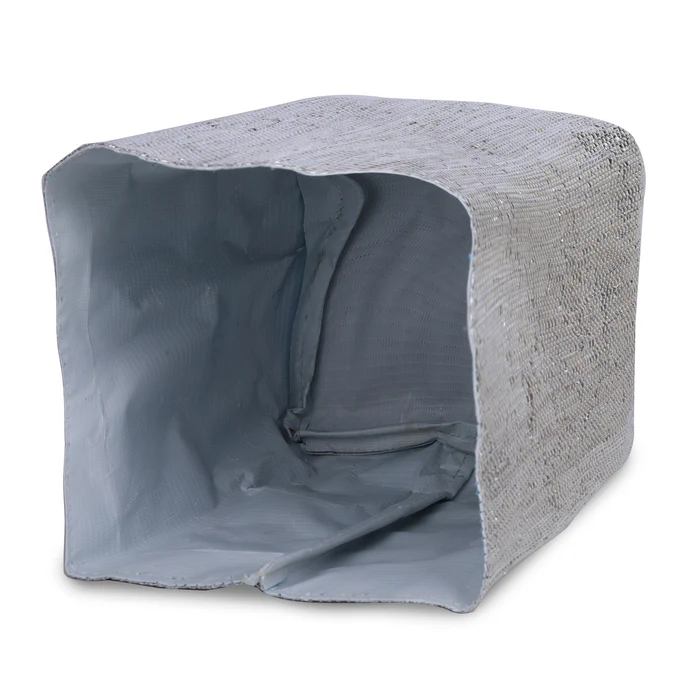
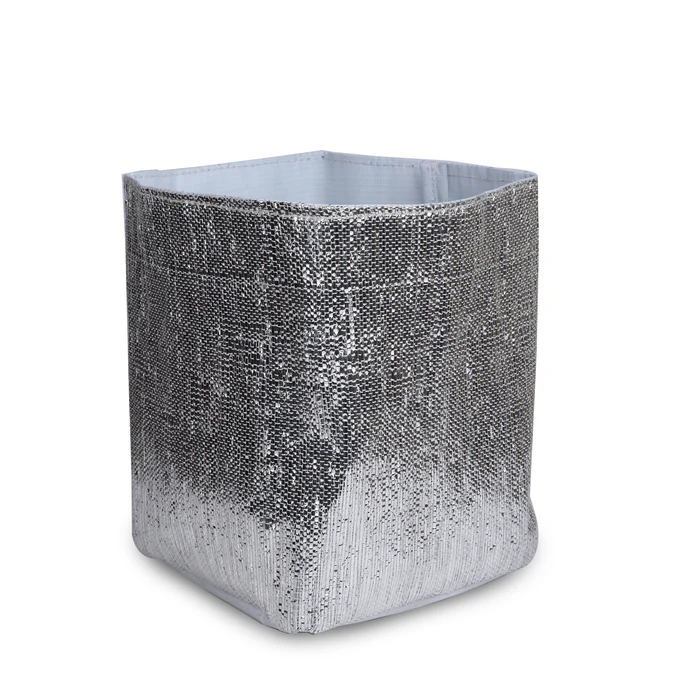
a. Recycled Materials: The Eco Planter (big) is likely made from recycled or upcycled materials, which significantly reduces its carbon footprint. Using recycled plastics or metals reduces the need for new raw materials, thereby decreasing energy consumption and emissions associated with production.
b. Biodegradable Materials: If the planter is made from biodegradable materials such as bamboo fiber or compostable bioplastics, it would decompose more naturally at the end of its life cycle, reducing landfill waste and greenhouse gas emissions from decomposition.
References:
- U.S. Environmental Protection Agency (EPA): "Benefits of Recycling." EPA.gov
- Journal of Cleaner Production: "Sustainable materials for eco-friendly product design."
2. Manufacturing Processes
a. Energy Efficiency: The production process for the Eco Planter (big) might utilize energy-efficient technologies or renewable energy sources, which reduces the carbon emissions associated with manufacturing.
b. Low-Emission Production: Advanced manufacturing techniques that minimize emissions or waste, such as 3D printing or precision molding, can significantly reduce the product's overall carbon footprint.
References:
- International Journal of Energy Research: "Energy efficiency in manufacturing: A review."
- Renewable and Sustainable Energy Reviews: "Renewable energy in industrial applications."
3. Product Lifecycle and Usage
a. Durability and Longevity: If the Eco Planter (big) is designed for durability, it will need to be replaced less frequently, which reduces the overall environmental impact over its lifetime.
b. End-of-Life Recycling: Designing the planter to be easily recyclable at the end of its life ensures that materials are recovered and reused, reducing the need for new raw materials and decreasing landfill waste.
References:
- Waste Management Journal: "Product lifecycle and the importance of end-of-life recycling."
- Journal of Industrial Ecology: "The impact of product longevity on environmental sustainability."
4. Reduced Transportation Footprint
a. Local Production: If the Eco Planter (big) is produced locally, it reduces transportation-related emissions. Additionally, lightweight or compact designs can lower transportation energy consumption.
b. Efficient Packaging: Eco-friendly or minimal packaging reduces waste and the carbon footprint associated with packaging and shipping.
References:
- Transportation Research Part D: "The role of local production in reducing transportation emissions."
- Packaging Technology and Science: "Sustainable packaging and its impact on carbon footprint."
5. Scientific Explanation
The sustainability of the Eco Planter (big) can be supported by its adherence to the principles of
circular economy and
life cycle assessment (LCA). The circular economy emphasizes reusing, recycling, and reducing waste, while LCA evaluates the environmental impacts associated with all stages of a product's life.
Steps to Calculate Carbon Footprint
- Material Sourcing:
- Identify Materials Used: Determine the types and quantities of materials (e.g., recycled plastic, bamboo).
- Find Emission Factors: Obtain emission factors for each material from databases such as the EPA’s Emission Factors Hub or ecoinvent. Emission factors represent the amount of CO2e (carbon dioxide equivalent) emitted per unit of material.
Emissions from materials=∑(Quantity of Material×Emission Factor)\text{Emissions from materials} = \sum (\text{Quantity of Material} \times \text{Emission Factor})Emissions from materials=∑(Quantity of Material×Emission Factor)
- Manufacturing:
- Determine Energy Use: Assess the energy consumed during production, including electricity and heat.
- Obtain Emission Factors: Use emission factors for energy sources (e.g., coal, natural gas) from sources like the Intergovernmental Panel on Climate Change (IPCC).
Emissions from manufacturing=Energy Used×Emission Factor for Energy Source\text{Emissions from manufacturing} = \text{Energy Used} \times \text{Emission Factor for Energy Source}Emissions from manufacturing=Energy Used×Emission Factor for Energy Source
- Transportation:
- Calculate Transport Distance and Mode: Measure the distance the product travels and the mode of transport (e.g., truck, ship).
- Find Emission Factors: Use emission factors for different transport modes.
Emissions from transportation=Distance×Emission Factor for Transport Mode\text{Emissions from transportation} = \text{Distance} \times \text{Emission Factor for Transport Mode}Emissions from transportation=Distance×Emission Factor for Transport Mode
- End-of-Life:
- Assess Disposal Method: Identify whether the product is recycled, composted, or sent to landfill.
- Determine Emission Factors: Use emission factors for recycling, composting, or landfill processes.
Emissions from end-of-life=Quantity of Waste×Emission Factor for Disposal Method\text{Emissions from end-of-life} = \text{Quantity of Waste} \times \text{Emission Factor for Disposal Method}Emissions from end-of-life=Quantity of Waste×Emission Factor for Disposal Method
- Total Carbon Footprint:
Total Carbon Footprint=Emissions from Materials+Emissions from Manufacturing+Emissions from Transportation+Emissions from End-of-Life\text{Total Carbon Footprint} = \text{Emissions from Materials} + \text{Emissions from Manufacturing} + \text{Emissions from Transportation} + \text{Emissions from End-of-Life}Total Carbon Footprint=Emissions from Materials+Emissions from Manufacturing+Emissions from Transportation+Emissions from End-of-Life
Example Calculation
Let's assume:
- Material: Recycled plastic, 1 kg
- Emission Factor for Recycled Plastic: 1.5 kg CO2e/kg
- Manufacturing Energy Use: 2 kWh/kg of product
- Emission Factor for Electricity: 0.4 kg CO2e/kWh
- Transport Distance: 100 km by truck
- Emission Factor for Truck Transport: 0.1 kg CO2e/km
- End-of-Life: 0.5 kg CO2e/kg for recycling
1. Emissions from Materials:
1 kg×1.5 kg CO2e/kg=1.5 kg CO2e1 \text{ kg} \times 1.5 \text{ kg CO2e/kg} = 1.5 \text{ kg CO2e}1 kg×1.5 kg CO2e/kg=1.5 kg CO2e
2. Emissions from Manufacturing:
2 kWh×0.4 kg CO2e/kWh=0.8 kg CO2e2 \text{ kWh} \times 0.4 \text{ kg CO2e/kWh} = 0.8 \text{ kg CO2e}2 kWh×0.4 kg CO2e/kWh=0.8 kg CO2e
3. Emissions from Transportation:
100 km×0.1 kg CO2e/km=10 kg CO2e100 \text{ km} \times 0.1 \text{ kg CO2e/km} = 10 \text{ kg CO2e}100 km×0.1 kg CO2e/km=10 kg CO2e
4. Emissions from End-of-Life:
1 kg×0.5 kg CO2e/kg=0.5 kg CO2e1 \text{ kg} \times 0.5 \text{ kg CO2e/kg} = 0.5 \text{ kg CO2e}1 kg×0.5 kg CO2e/kg=0.5 kg CO2e
Total Carbon Footprint:
1.5+0.8+10+0.5=12.8 kg CO2e1.5 + 0.8 + 10 + 0.5 = 12.8 \text{ kg CO2e}1.5+0.8+10+0.5=12.8 kg CO2e
References:
- Circular Economy Journal: "Principles and practices of the circular economy."
- International Journal of Life Cycle Assessment: "Life cycle assessment methodology and its applications."
🔒
Full Sustainability Report
Unlock the complete AI-powered lifecycle analysis — certifications, verdict, carbon comparison & more.
✅ Usage Phase impact
✅ End-of-Life data
✅ Key Highlights
✅ Certifications
✅ Final Verdict
🌿
Want Your Own Company ESG Report?
Generate a full BRSR-aligned ESG report for your organisation — AI-powered, Gemini-backed, with a CM Carbon Rating (A–E).
🔑 Login & Calculate ESG