SKU
CMEFHLSFDDR01
Minimum Order
1 pieces
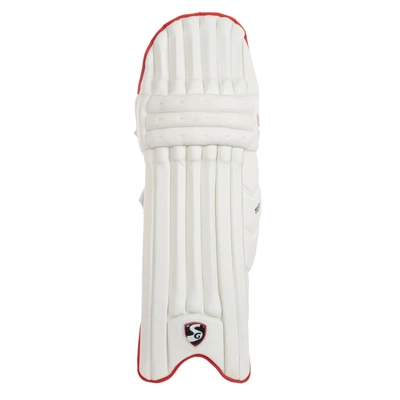
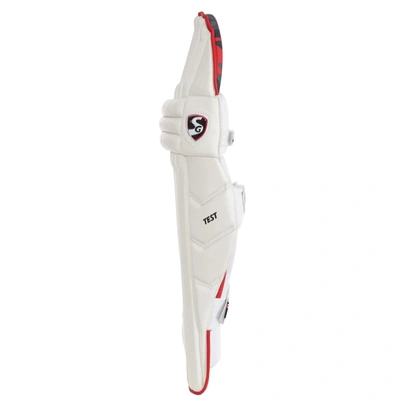
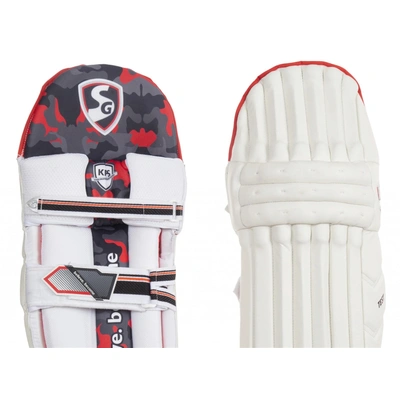
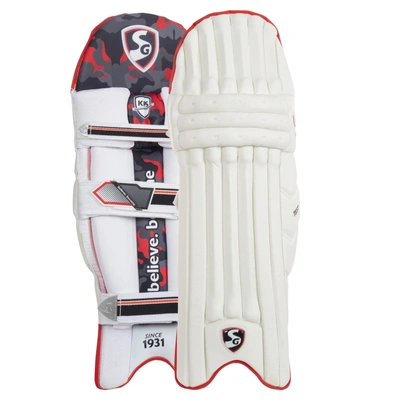
SG Test Legguard:
Embracing an eco-friendly home and lifestyle extends beyond personal choices, becoming a conscious commitment to environmental stewardship. Transitioning from conventional practices, adopting sustainable alternatives in sports and fitness further amplifies this green ethos.
In the domain of eco-friendly home and lifestyle, sustainable practices begin with conscious consumer choices. Opting for energy-efficient appliances, utilizing reusable products, and reducing single-use plastics form the pillars of a greener household.
Transitioning to sports and fitness, eco-conscious choices redefine the way we approach physical well-being. From sustainable activewear made from recycled materials to eco-friendly workout equipment, the fitness industry is embracing a shift towards sustainability.
In the home, incorporating renewable energy sources such as solar panels not only reduces carbon footprints but also translates to long-term cost savings. This transition to clean energy aligns with global efforts to combat climate change.
Similarly, in the realm of sports and fitness, outdoor activities gain prominence. Engaging in activities like hiking, cycling, or running not only promotes physical health but also connects individuals with nature, fostering a deeper appreciation for the environment.
Eco-friendly home and lifestyle choices extend to water conservation. Installing low-flow faucets, collecting rainwater, and adopting water-efficient practices contribute to sustainable living, conserving this precious resource.
SG Test Legguard: In sports and fitness, there is a growing emphasis on eco-friendly events and competitions. From waste reduction initiatives to using compostable cups, the sports industry is acknowledging its environmental impact and taking steps towards positive change.
In conclusion, an eco-friendly home and lifestyle seamlessly integrate with sustainable choices in sports and fitness, creating a holistic approach to well-being that respects the planet. This paradigm shift not only enhances personal health but also contributes to a more sustainable and harmonious coexistence with the environment.
No reviews yet. Be the first to review this product.
Ask a Question
Login to ask a question.
The sustainability of cricket batting legguards, also known as cricket pads, depends on various factors, including the materials used, manufacturing processes, and the overall lifecycle of the product. Here are some considerations regarding the sustainability of cricket legguards:
Materials: Traditional cricket legguards are made from materials like leather, foam, and synthetic materials. The sustainability of these materials depends on their sourcing and processing. Using eco-friendly or recycled materials can enhance the sustainability of legguards.
Manufacturing Processes: Sustainable manufacturing practices can significantly impact the overall sustainability of cricket legguards. Using energy-efficient production methods, minimizing waste, and reducing water usage are all factors that can contribute to sustainability.
🔒
Full Sustainability Report
Unlock the complete AI-powered lifecycle analysis — certifications, verdict, carbon comparison & more.
✅ Usage Phase impact
✅ End-of-Life data
✅ Key Highlights
✅ Certifications
✅ Final Verdict
🌿
Want Your Own Company ESG Report?
Generate a full BRSR-aligned ESG report for your organisation — AI-powered, Gemini-backed, with a CM Carbon Rating (A–E).
🔑 Login & Calculate ESG
Offers
No offers available for this product at the moment.
Contact the vendor for bulk order pricing: TotalSports&Fitness
Please contact the vendor directly for their specific return and shipping policies.