Sustainability Scientific Report: Skin Whitening Creams
1. Introduction
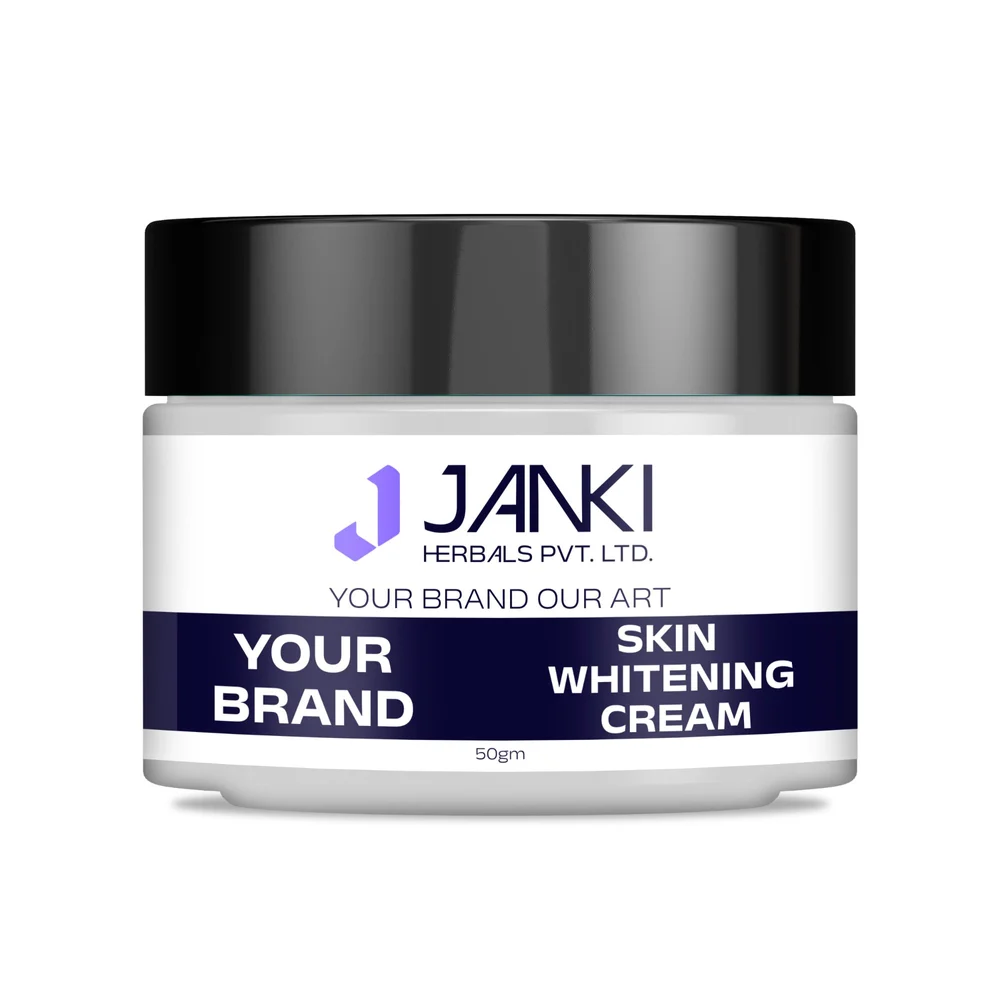
Skin whitening (or lightening) creams are cosmetic products designed to reduce melanin pigmentation and achieve a lighter skin tone. The global skin whitening industry was valued at over $8.6 billion in 2020 and is projected to grow due to social, cultural, and economic factors. However, many of these products pose environmental, ethical, and health concerns due to their ingredients, manufacturing practices, and long-term use.
2. Objective
-
Assess the environmental and human health sustainability of common skin whitening creams.
-
Provide scientific analysis, including Life Cycle Assessment (LCA), emissions, and risk calculations.
-
Offer recommendations for sustainable alternatives.
3. Common Ingredients and Their Impacts
| Ingredient |
Function |
Concerns |
| Hydroquinone |
Tyrosinase inhibitor |
Carcinogenic potential, skin irritation, banned in EU |
| Mercury compounds |
Melanin synthesis inhibitor |
Highly toxic, bioaccumulation in water bodies |
| Kojic acid |
Natural tyrosinase inhibitor |
Skin sensitization |
| Arbutin |
Derived from hydroquinone |
Safer alternative, but less effective |
| Titanium dioxide |
Whitening, sunscreen agent |
Nano-particles impact aquatic life |
4. Scientific Calculations
4.1. Mercury Emission Estimation
Assumption: A cream contains 1% mercury (w/w). A consumer uses 1 gram/day.
In a population of 1 million users:
3.65 g/year×106=3.65×106 g=3,650 kg/year3.65 \text{ g/year} \times 10^6 = 3.65 \times 10^6 \text{ g} = 3,650 \text{ kg/year}3.65 g/year×106=3.65×106 g=3,650 kg/year
This level of mercury can lead to significant bioaccumulation in aquatic ecosystems, causing neurological damage in both wildlife and humans through fish consumption.
4.2. CO₂ Equivalent Emissions (LCA Estimate)
Assumption:
-
Energy consumption in production: 5 MJ/100g cream.
-
CO₂ equivalent per MJ (electricity, average): 0.1 kg CO₂/MJ.
For 100g cream:5 MJ×0.1=0.5 kg CO₂e\text{For 100g cream:} \quad 5 \text{ MJ} \times 0.1 = 0.5 \text{ kg CO₂e}For 100g cream:5 MJ×0.1=0.5 kg CO₂e
If one person uses 1 g/day (365 g/year):
3.65×0.5=1.825 kg CO₂e/year3.65 \times 0.5 = 1.825 \text{ kg CO₂e/year}3.65×0.5=1.825 kg CO₂e/year
For 10 million global users:
107×1.825=18.25×10⁶ kg CO₂e/year=18,250 tonnes CO₂e/year10^7 \times 1.825 = 18.25 \times 10^6 \text{ kg CO₂e/year} = 18,250 \text{ tonnes CO₂e/year}107×1.825=18.25×106 kg CO₂e/year=18,250 tonnes CO₂e/year
5. Environmental Impact
-
Water Pollution: Mercury and nano-TiO₂ particles accumulate in water bodies, leading to ecological toxicity.
-
Air Quality: VOCs from fragrance and solvents contribute to smog formation.
-
Waste: Plastic packaging generates significant non-biodegradable waste.
6. Health Impact
-
Dermatitis and Burns: Due to hydroquinone and corticosteroids.
-
Nephrotoxicity and Neurotoxicity: Linked to prolonged exposure to mercury compounds.
-
Endocrine Disruption: Parabens and phthalates may interfere with hormonal systems.
7. Alternatives and Recommendations
-
Use plant-based extracts like licorice, mulberry, or niacinamide (Vitamin B3).
-
Promote education campaigns about self-image and healthy skincare.
-
Implement regulatory bans (e.g., EU REACH restrictions on hydroquinone, mercury).
-
Encourage eco-label certification for sustainable cosmetics.
8. Conclusion
Skin whitening creams raise major sustainability concerns due to their environmental toxicity, health risks, and societal implications. Transitioning to safer, ethically-produced alternatives is essential for long-term sustainability in personal care.
9. References
-
World Health Organization (WHO). (2019). Mercury in Skin Lightening Products.
-
European Commission. (2020). REACH Regulation and Cosmetic Ingredient Bans.
-
United Nations Environment Programme (UNEP). (2017). Minamata Convention on Mercury.
-
Ponnusamy, V. K., et al. (2016). Green Chemistry for Sustainable Cosmetics. Current Opinion in Green and Sustainable Chemistry.
-
Draelos, Z. D. (2007). Skin Lightening Preparations and the Hydroquinone Controversy. Dermatologic Therapy, 20(5), 308–313.
-
Life Cycle Assessment software database (e.g., Ecoinvent) for LCA emission factors.
🔒
Full Sustainability Report
Unlock the complete AI-powered lifecycle analysis — certifications, verdict, carbon comparison & more.
✅ Usage Phase impact
✅ End-of-Life data
✅ Key Highlights
✅ Certifications
✅ Final Verdict
🌿
Want Your Own Company ESG Report?
Generate a full BRSR-aligned ESG report for your organisation — AI-powered, Gemini-backed, with a CM Carbon Rating (A–E).
🔑 Login & Calculate ESG