
Shopping Cart
Shipping Address :
Guest
No shipping address found. Please add an address.
—
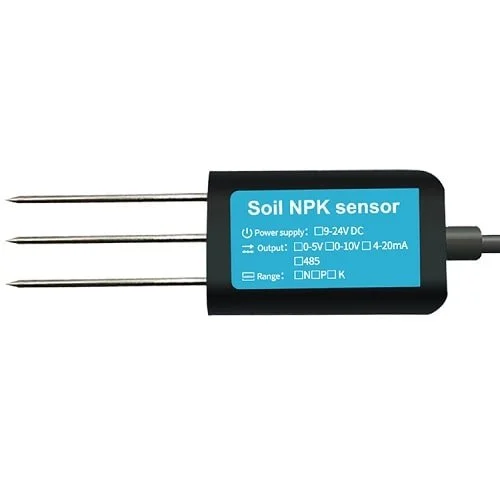
Soil Sensor JXBS-3001-NPK-RS
Price: ₹7,000.00 per pieces
Estimated Total Amount: ₹7,000.00

| Brand | JXCT |
| Part Number | JXBS-3001-NPK-RS |
| Measuring Range | 0-1999mg/kg |
| Resolution | 1mg/kg |
| Output Signal | RS485 |
| Output | 0-10V |
| Measurement Type | NPK |
Soil Sensor JXBS-3001-NPK-RS Introduction
Soil Sensor JXBS-3001-NPK-RS is a high functional and digital display soil meter, it can quickly test nitrogen phosphorus potassium of different kinds of soil. The soil NPK meter is precision, quick, stable, wide range, display clear, portable and easy to test.
JXBS-3001-NPK-RS Characteristic
Application
No reviews yet. Be the first to review this product.
Login to ask a question.
Sensors play a crucial role in modern agricultural farming practices by providing real-time data and insights that help optimize resource management and improve overall efficiency. When it comes to sustainability, agricultural sensors can have several positive impacts. Here are some key points to consider:
Resource optimization: Sensors enable precise monitoring and control of resources such as water, fertilizers, and pesticides. By collecting data on soil moisture, nutrient levels, and pest populations, farmers can apply these resources only when and where they are needed, minimizing waste and reducing environmental impact.
Precision farming: Sensor technologies, including aerial imagery, drones, and satellite-based sensors, allow farmers to gather data at large scales. This information helps identify variability within fields, enabling targeted interventions and reducing the need for blanket applications of inputs. By optimizing resource usage, precision farming can lead to sustainable practices that conserve resources and minimize the ecological footprint of agriculture.
Disease and pest management: Sensors can monitor environmental conditions and alert farmers to potential disease outbreaks or pest infestations. Early detection enables timely interventions, reducing the need for broad-spectrum chemical treatments. By implementing integrated pest management strategies based on sensor data, farmers can minimize pesticide usage and protect beneficial organisms, fostering more sustainable farming practices.
Soil health management: Sensors can assess soil parameters like moisture content, pH levels, and organic matter content. This data allows farmers to make informed decisions about soil management practices, including irrigation scheduling, soil amendments, and crop rotation. By optimizing soil health, sensors contribute to sustainable agriculture by reducing soil erosion, nutrient leaching, and soil degradation.
Energy efficiency: Many agricultural sensors are designed to operate with low power consumption and can be powered by renewable energy sources such as solar panels. This reduces the reliance on fossil fuels and contributes to energy efficiency in farming operations.
However, it's important to note that the sustainability of sensors for agricultural farming also depends on other factors such as the materials used in sensor production, their lifespan, and responsible disposal at the end of their useful life. It's crucial to consider the complete life cycle of sensor technologies and ensure proper recycling or disposal to minimize environmental impact.
Overall, agricultural sensors have the potential to greatly enhance the sustainability of farming practices by improving resource management, optimizing inputs, and reducing environmental impact. However, it is important to carefully evaluate the specific sensors being used and their implementation to ensure they align with sustainable farming principles.
No offers available for this product at the moment.
Contact the vendor for bulk order pricing: SourcewellDevicesPrivateLimited
Please contact the vendor directly for their specific return and shipping policies.
For any inquiries, contact us at info@cleantech-mart.com