

Shopping Cart
Shipping Address :
Guest
No shipping address found. Please add an address.
—
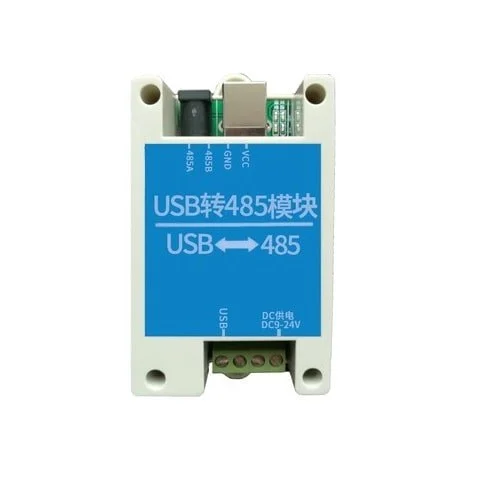
Soil Sensor JXBS-3001-USB-485
Price: ₹1,200.00 per pieces
Estimated Total Amount: ₹1,200.00


| Brand | JXCT |
| Part Number | JXBS-3001-USB-485 |
| Sensor Type | USB |
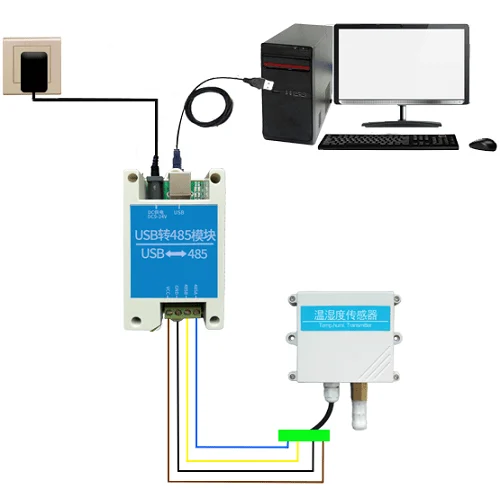
USB to auxilary debugging when sensor communication problems.
No reviews yet. Be the first to review this product.
Login to ask a question.
Sensors play a crucial role in modern agricultural farming practices by providing real-time data and insights that can optimize resource management, increase productivity, and reduce environmental impact. Their sustainability largely depends on several factors:
Energy Efficiency: Sustainable sensors should be designed to minimize energy consumption. Low-power sensors, such as those utilizing wireless communication protocols like LoRaWAN or Zigbee, can operate on batteries for extended periods or use energy harvesting techniques, such as solar or kinetic energy, to power themselves.
Environmental Impact: The production and disposal of sensors can have environmental consequences. Sustainable sensor design considers the entire life cycle, including the use of eco-friendly materials, reduction of hazardous substances, and adherence to recycling and disposal practices to minimize waste and pollution.
Data Accuracy and Reliability: Reliable and accurate data collection is crucial for effective decision-making. High-quality sensors with minimal signal interference, calibration mechanisms, and regular maintenance are essential for sustainable farming practices.
Integration and Interoperability: Sustainable sensors should be compatible with existing agricultural infrastructure and systems. Open standards and protocols facilitate interoperability, allowing different sensors, devices, and platforms to work together seamlessly, reducing unnecessary duplication and waste.
Scalability and Cost-effectiveness: Scalable sensor solutions can adapt to different farm sizes and needs, allowing farmers to adopt them at various scales. Cost-effective sensors that provide value in terms of increased yield, reduced inputs, and optimized resource allocation are more likely to be sustainable in the long run.
Data Privacy and Security: Sensors collect sensitive data related to farm operations. Ensuring data privacy, implementing robust security measures, and providing transparent data governance are critical for sustainable sensor deployment, as it fosters trust among farmers and prevents misuse or unauthorized access to sensitive information.
Local Context and Adaptability: Sustainable sensors should be adaptable to local farming conditions, considering factors such as soil types, climate variations, crop types, and specific challenges faced by farmers in different regions. Customizable and versatile sensors are more likely to be effective and sustainable across diverse agricultural contexts.
Overall, the sustainability of sensors for agricultural farming depends on their energy efficiency, environmental impact, data accuracy, integration capabilities, scalability, cost-effectiveness, data privacy and security, and adaptability to local contexts. By addressing these factors, sensor technologies can contribute to sustainable farming practices and help optimize resource utilization in agriculture.
No offers available for this product at the moment.
Contact the vendor for bulk order pricing: SourcewellDevicesPrivateLimited
Please contact the vendor directly for their specific return and shipping policies.
For any inquiries, contact us at info@cleantech-mart.com