SKU
CMGBMGRWWR010
Minimum Order
1 pieces
Product Specifications:
Minimum Order Quantity: 1 piece
Power: 6.2 kW
Voltage: 380 V
Country of Origin: Made in India
Water Source: Industrial Effluent
Application Industry: Hospital
Automation Grade: Semi-Automatic
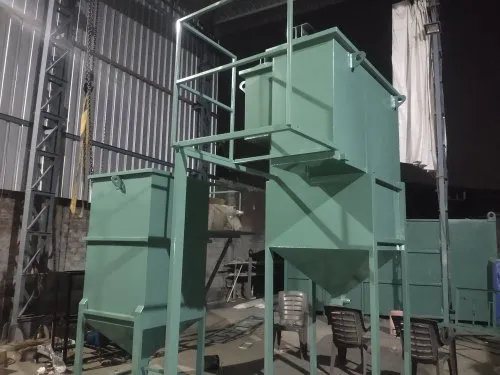
Capacity: 1 MLD (Mega Liters per Day)
Control Module: Included
Deliver Type: Available across PAN India
Inlet Flow Rate: 1000 m3/day (cubic meters per day)
Treatment Stages: Primary Treatment, Secondary Treatment
Treatment Technology: Mixed Bed Bio Reactor (MBBR)
Warranty: 1 Year
We offer comprehensive systems catering to various sectors:
Residential Colonies and Apartments
Schools, Hostels, and Colleges
Hospitals
Hotels, Resorts, Restaurants, and Malls
Industrial Units
Other Institutional and Community Buildings, including large temples
Temporary Installations for Military and Paramilitary Forces
Effluent refers to wastewater that has been contaminated by human-industrial or commercial activities before its release into the environment or its potential reuse. Various industries generate wastewater, though recent efforts have been made towards recycling and reusing treated waste. Water plays a pivotal role in food manufacturing plants, serving as an ingredient, coolant, cleaning solvent in processes (CIP), and in various chemical reactions. After the manufacturing process, the influent becomes wastewater, eventually discharged from the industry as effluent. Effluents comprise a mixture of contaminants, including both toxic and non-toxic substances such as heavy metals and organic materials. Since most effluents are primarily composed of water, eliminating remaining solids is crucial. This is achieved through effluent treatment plants, which purify industrial wastewater for safe disposal or recycling. Due to the unique composition of each company's effluent, personalized treatment plants are essential to meet specific requirements.
No reviews yet. Be the first to review this product.
Ask a Question
Login to ask a question.
Using recycled water can contribute to saving the Earth by conserving freshwater resources, reducing pollution, and promoting sustainable water management practices. Here's how:
Conservation of Freshwater Resources: Freshwater is a finite and essential resource. By using recycled water for non-potable purposes like irrigation, industrial processes, and toilet flushing, we reduce the demand for freshwater from traditional sources such as rivers, lakes, and groundwater. This conserves these resources for essential uses like drinking water and ecological support.
Mitigation of Water Scarcity: Water scarcity is a growing global concern due to population growth and climate change. Recycling water helps mitigate this issue by creating an alternative, reliable water source during times of drought and scarcity.
Reduction of Pollution: By treating wastewater and reusing it, we prevent the discharge of pollutants into natural water bodies. This helps maintain water quality, protect aquatic ecosystems, and reduce the impact on aquatic life and human health.
🔒
Full Sustainability Report
Unlock the complete AI-powered lifecycle analysis — certifications, verdict, carbon comparison & more.
✅ Usage Phase impact
✅ End-of-Life data
✅ Key Highlights
✅ Certifications
✅ Final Verdict
🌿
Want Your Own Company ESG Report?
Generate a full BRSR-aligned ESG report for your organisation — AI-powered, Gemini-backed, with a CM Carbon Rating (A–E).
🔑 Login & Calculate ESG
Offers
No offers available for this product at the moment.
Contact the vendor for bulk order pricing: DrashtiEnvirotech
Please contact the vendor directly for their specific return and shipping policies.