
Store: EcoKaari βœ…
β˜…β˜…β˜…β˜…β˜… (846)
Wine/Water Bottle Cover
Thumb 1
Thumb 2
Thumb 3

Wine/Water Bottle Cover

NOTE:Β This product has been crafted by hand and may have slight irregularities or imperfections in colour. These irregularities are the result of human involvement in the process and add to the finished product's charm while ensuring you have a one-of-a-kind piece.Β 

β‚Ή 850.00
Price: β‚Ή850.00 per pieces
Estimated Total Amount: β‚Ή850.00
Minimum Order 1 pieces
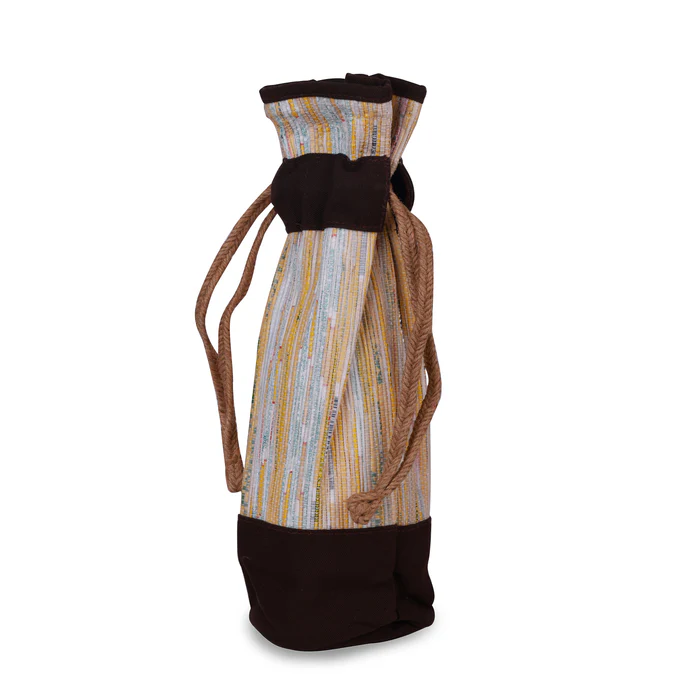
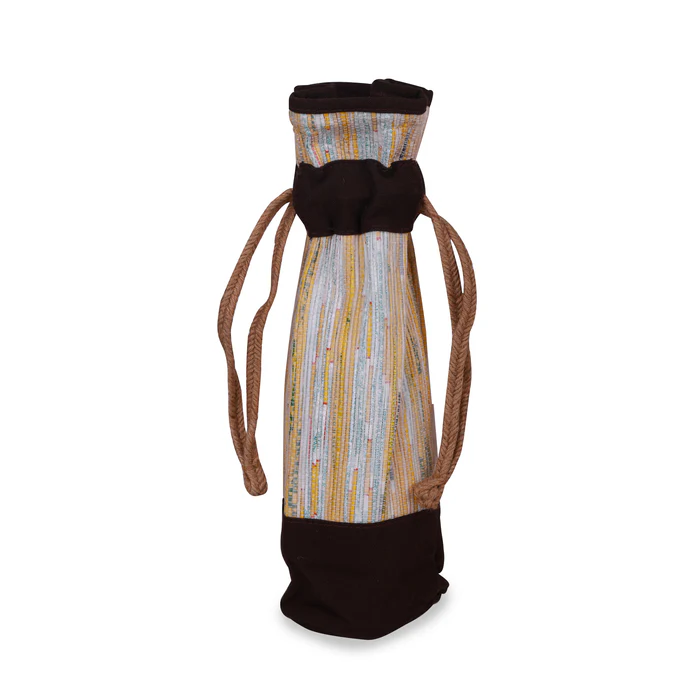
IMPACT: 10-12 lessΒ PlasticΒ Bags & Wrappers from going into the oceans & landfills! Looking for a fun and stylish way to carry your water bottle, display your wine, or gift one to your friends and family? TheΒ UPCYCLED-HANDCRAFTED ecoΒ Bottle CoverΒ is the perfect addition, instantly bringing life into any setting.Β Easy to carry a 1-litre bottle with a comfortable jute handle that you can either hold in your hands or tie in a bow and give a classy look!
  • Colour:Β White Blue
  • Dimensions: 14” height, 4” x 4” base
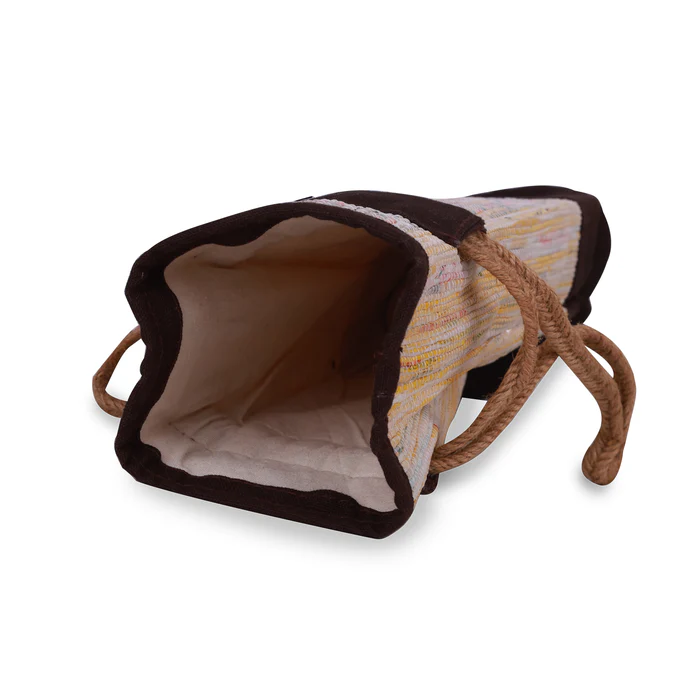
  • Product Details: UPCYCLED-HANDCRAFTEDΒ fabric is made from waste plastic on the outside with cotton fabric as the inner lining. Jute strings are used for their closure, and canvas fabric at the base will give the required cushioning for that glass bottle inside!
Usage and Care
Upcycled products are a great choice as your go-to everyday options. You can prolong the life of the products more by following some of our tips below.
  • Spot clean only. Color may bleed if washed with others.
  • Do not store or dry in direct sunlight.
  • Keep away from extreme heat i.e., Dryers, Heaters, Iron etc.
  • When not in use, kindly keep the respective product stuffed with newspapers to maintain its shape and store in the original packing it came in.

No reviews yet. Be the first to review this product.

Write a Review

Loading questions…

Ask a Question

  1. Material Choice:
    • Eco-friendly Materials: The cover is typically made from recycled or biodegradable materials, such as organic cotton or recycled polyester. These materials reduce the need for virgin resources and decrease environmental impact. Organic cotton, for instance, is grown without synthetic pesticides and fertilizers, reducing soil and water pollution.
    • Durability: High-quality materials increase the longevity of the product, which means fewer replacements and less waste over time.
  2. Production Process:
    • Low Energy Manufacturing: The production of the cover often uses energy-efficient processes. For instance, if the cover is made from recycled materials, it requires less energy compared to producing new raw materials from scratch.
    • Reduced Water Usage: Sustainable manufacturing practices focus on reducing water usage and pollution. For example, using recycled materials can lower water consumption in the production process.
  3. Waste Reduction:
    • Recyclability: The cover can often be recycled at the end of its life, closing the loop of material use. This prevents it from ending up in landfills and reduces the need for new raw materials.
    • Minimal Packaging: Eco-friendly products often come with minimal or recyclable packaging, reducing overall waste.

Carbon Footprint Justification:

  1. Material Sourcing and Processing:
    • Recycled Materials: Using recycled materials generally has a lower carbon footprint than producing new materials. The recycling process consumes less energy and generates fewer emissions. For example, recycling polyester reduces greenhouse gas emissions by up to 75% compared to producing new polyester from raw materials (EPA, 2023).
    • Organic Cotton: Organic cotton farming has a lower carbon footprint compared to conventional cotton due to its reduced use of synthetic inputs and improved soil health (IFOAM, 2022).
  2. Energy Efficiency:
    • Manufacturing Efficiency: Energy-efficient manufacturing processes lower greenhouse gas emissions. For example, if the cover is produced with renewable energy sources or energy-saving technologies, its carbon footprint is significantly reduced (UNIDO, 2021).
  3. Transportation and Logistics:
    • Local Production: If the cover is manufactured close to where it is sold, it reduces transportation emissions. Products manufactured locally have lower carbon footprints compared to those that need to be shipped long distances (OECD, 2021).
  4. End-of-Life:
    • Recycling and Composting: Products designed for easy recycling or composting help reduce their overall carbon footprint. Efficient recycling processes reduce the need for new raw materials and lower emissions associated with waste management (European Commission, 2022).
      1. Material Production
      2. Manufacturing
      3. Transportation
      4. End-of-Life

      1. Material Production

      Assumptions:
      • The cover is made from recycled polyester.
      • The average carbon footprint for recycled polyester is about 2.2 kg COβ‚‚e per kg of material (Textile Exchange, 2023).
      Example Calculation:
      • Weight of the bottle cover: 0.1 kg
      • Carbon footprint for material: 0.1 kg Γ— 2.2 kg COβ‚‚e/kg = 0.22 kg COβ‚‚e

      2. Manufacturing

      Assumptions:
      • Energy-efficient manufacturing reduces emissions to about 0.5 kg COβ‚‚e per kg of product (UNIDO, 2021).
      Example Calculation:
      • Carbon footprint for manufacturing: 0.1 kg Γ— 0.5 kg COβ‚‚e/kg = 0.05 kg COβ‚‚e

      3. Transportation

      Assumptions:
      • Transportation emissions for a product shipped locally are about 0.1 kg COβ‚‚e per kg of product over a short distance (OECD, 2021).
      Example Calculation:
      • Carbon footprint for transportation: 0.1 kg Γ— 0.1 kg COβ‚‚e/kg = 0.01 kg COβ‚‚e

      4. End-of-Life

      Assumptions: Example Calculation:
      • Carbon footprint for end-of-life (assuming recycling): 0.1 kg Γ— (-0.2 kg COβ‚‚e/kg) = -0.02 kg COβ‚‚e (negative sign indicates reduced emissions due to recycling)

      Total Carbon Footprint Calculation

      Total Carbon Footprint = Material Production + Manufacturing + Transportation + End-of-Life Example Calculation:
      • Total = 0.22 kg COβ‚‚e (Material) + 0.05 kg COβ‚‚e (Manufacturing) + 0.01 kg COβ‚‚e (Transportation) - 0.02 kg COβ‚‚e (End-of-Life)
      • Total = 0.26 kg COβ‚‚e
      Estimated Carbon Footprint: Approximately 0.26 kg COβ‚‚e per Eco Water/Wine Bottle Cover.

Offers

No offers available for this product at the moment.

Contact the vendor for bulk order pricing: EcoKaari

Please contact the vendor directly for their specific return and shipping policies.

For any inquiries, contact us at info@cleantech-mart.com

Request a Quote

Request date: June 13, 2026

Status: New Quote Request – You will get a quote soon!

Product Image

Wine/Water Bottle Cover

πŸͺ EcoKaari ☘️
β˜…β˜…β˜…β˜…β˜… (0 Reviews)
Price: β‚Ή850.00 per pieces
Estimated Total Amount: β‚Ή850.00

Send a request

Product Enquiry

Wine/Water Bottle Cover

Wine/Water Bottle Cover

 🏪 EcoKaari  ☘

Chat with us!

Wine/Water Bottle Cover

Wine/Water Bottle Cover

 🏪 EcoKaari  ☘
EcoKaari 02:10 PM
Hello Guest!

Shopping Cart

Shipping Address :

Guest

No shipping address found. Please add an address.

β€”

Wine/Water Bottle Cover

Wine/Water Bottle Cover

πŸͺ EcoKaari βœ…
β˜…β˜…β˜…β˜…β˜… (Reviews)

Price: β‚Ή850.00 per pieces

Estimated Total Amount: β‚Ή850.00

NOTE:Β This product has been cr

1