
Shopping Cart
Shipping Address :
Guest
No shipping address found. Please add an address.
β
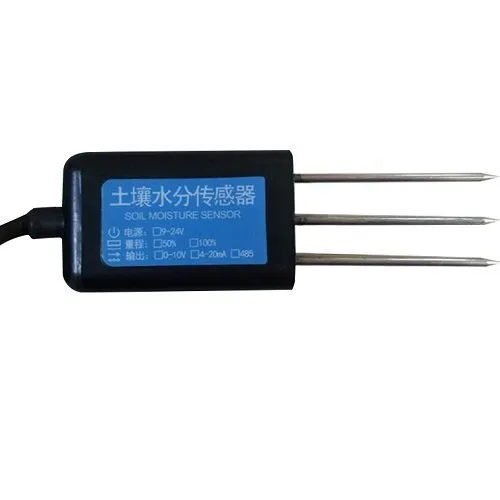
ZZ-SOILS-THECR Soil Temperature, Humidity & Conductivity Sensor
Price: βΉ3,000.00 per pieces
Estimated Total Amount: βΉ3,000.00

| Interface | RS485 |
| Temperature Range | -40 to 123 Deg C |
| Operating Voltage | 3.3 to 5.5 V DC |
| Brand | Sourcewell |
| Model Number | ZZ-SOILS-THECR |
| Moisture Range | 0-100% |
| Country of Origin | Made in India |
| Type | NPK Sensor |
| Output Voltage | 0 to 3.0 V DC |
| Operating Current | 5 mA |
Being one of the consistent firms in the industry, we are engaged in providing a superb range of ZZ-SOILS-THECR Soil Temperature, Humidity & Conductivity Sensors.
No reviews yet. Be the first to review this product.
Login to ask a question.
Sensors play a crucial role in modern agricultural farming by providing real-time data and insights to optimize various aspects of farming operations. In terms of sustainability, sensors offer several benefits but also pose certain considerations. Here are some points to consider regarding the sustainability of sensors in agricultural farming:
Resource Efficiency: Sensors can help optimize resource usage by providing data on soil moisture, temperature, and nutrient levels. This information enables farmers to apply water, fertilizers, and other inputs more precisely, reducing waste and increasing resource efficiency.
Reduced Chemical Usage: Sensor-based technologies, such as precision agriculture systems, allow farmers to target specific areas or plants that require treatment, minimizing the overall use of pesticides and fertilizers. This reduction in chemical usage can have positive environmental impacts.
Water Conservation: Sensors can monitor soil moisture levels, weather conditions, and plant water requirements. This information helps farmers make informed irrigation decisions, leading to more efficient water use and conservation.
Enhanced Crop Management: Sensors enable continuous monitoring of crop health and growth parameters, such as temperature, humidity, light levels, and disease prevalence. Timely detection and response to potential issues can lead to improved crop management, reduced losses, and optimized resource allocation.
Energy Consumption: Some sensors require power sources to operate, which can contribute to energy consumption. However, advancements in sensor technology have led to the development of low-power and energy-efficient sensors, mitigating this concern to some extent.
Data Management and Privacy: Sensors generate a vast amount of data that requires proper management and analysis. This aspect raises questions about data privacy, ownership, and the environmental impact of data storage and processing systems. Implementing secure and sustainable data management practices is important to address these concerns.
Electronic Waste: Sensors, like any electronic devices, have a lifespan and may eventually become obsolete or need replacement. Proper disposal and recycling practices should be followed to minimize electronic waste and its environmental impact.
Overall, sensors have the potential to contribute to sustainable agriculture by optimizing resource usage, reducing chemical inputs, conserving water, and improving crop management. However, it is essential to consider the entire lifecycle of sensors, including manufacturing, energy consumption, data management, and waste disposal, to ensure their sustainable implementation.
No offers available for this product at the moment.
Contact the vendor for bulk order pricing: SourcewellDevicesPrivateLimited
Please contact the vendor directly for their specific return and shipping policies.
For any inquiries, contact us at info@cleantech-mart.com